Professor Oliver Hauser – academic secondment in government
Professor Oliver Hauser shares his experience of a secondment with the Cabinet Office Evaluation Task Force, applying academic expertise to real-world impact.
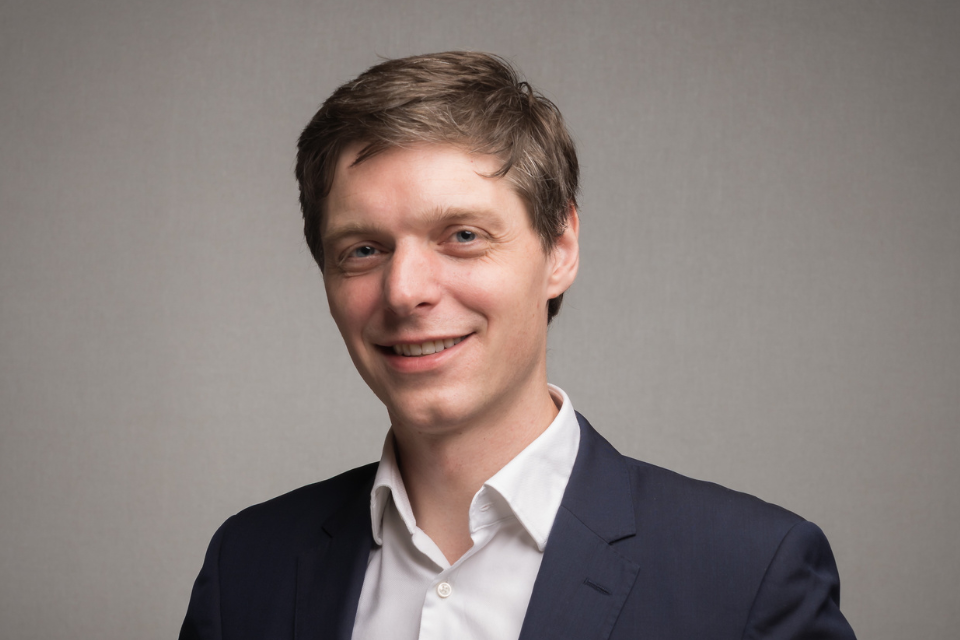
Professor Oliver Hauser, Cabinet Office Evaluation Task Force
ProfessorÌýOliver Hauser, an academicÌýmotivated byÌýreal-world impact, worked with the Evaluation Task Force on a secondment in the Cabinet Office.ÌýOliver is Professor of Economics at the University of Exeter and is Deputy Director of the Institute for Data Science and ArtificialÌýIntelligence.Ìý
Motivation to work withÌýgovernmentÌý
Oliver first worked with the Evaluation Task Force (ETF) as a member of the external advisory panel. Seeking a deeper involvement, he volunteered hisÌýtime andÌýarranged aÌý1-day a weekÌýsecondment with the team.ÌýThis bespoke arrangement, enabled by flexibility and trust from both sides,Ìýallowed Oliver to access government systems and resources, and to embed fully within the team. He reflects:
One of the things I love about being an academic is choosing where to put my time. There are manyÌýways you can make aÌýcontribution, by educatingÌýorÌýdoing researchÌýtoÌýcreateÌýnew knowledge.ÌýMy motivation toÌýjoin the ETFÌýwas to support impact in the real world, helping the public sector.
Oliver’s work in governmentÌý
Oliver co-led a cross-government working group that developed an AI checklist for departments, supporting safe and effective adoption of new AI tools. He also worked with the ETF to publish a new annex to the Magenta Book,ÌýprovidingÌýbest practice guidance for evaluating the impact of AI interventions. This resource is designed to enhance the safety and confidence with which government departments adopt AI technologies.ÌýOliver has also led workshops and masterclasses on evaluation and AI across several departments in the Civil Service.
Lucie Moore, Head of the Evaluation Task Force, said:
Oliver has made a highly positive contribution during his time with the team. Colleagues have described working with him as both exciting and intellectually stimulating and have highlighted how much they have learnt from his expertise. He has also broadened our access to academic insight by connecting us with his wider network of academic contacts.
Advice forÌýacademics
Oliver had worked with the Behavioural Insights Team during his PhD which helped him navigate the Civil Service environment. However, the day-to-day realities of a secondment were still a learning curve. He advises:
In a government secondment, youÌýneed to be adaptable and ready to learn on the job. Priorities shift quickly, soÌýit’sÌýimportant to focus on where you can add the most value.ÌýÌý
Oliver encourages academics considering a secondment to remain open, collaborative, and flexible. He regularly discusses interests, ongoing work and new ideas with his line manager, and both are receptive to trying out innovative approaches. He advises that academics can add meaningful value to the public sector if they listen and make use of their expertise in a way that benefits the public sector. But:
If you come in with a fixed idea thatÌýyouÌýwant to test thisÌýone theory orÌýyouÌýwantÌýto just advance your own research agenda, you become a roadblock.ÌýInstead, if you take the time to really understandÌýwhatÌýthe teamÌýneeds,Ìýthen offer your help, it makes for a much better relationship.
Alongside the impact, I have learned to understand how the Civil Service works by talking to people and understandingÌýwhat’sÌývaluable. That is something I can take back to academia.