Decade of transformation: Environment Agency marks £10 million milestone in fisheries restoration
Fishing licence income delivers £10 million of investment in fisheries since 2015
The Environment Agency isÌýcelebratingÌýaÌý£10 million milestone for its Fisheries Improvement Programme (FIP),ÌýmarkingÌýa decade ofÌýcommunity-led conservation that hasÌýimproved fisheries and supported outdoor recreation across England.Ìý
Since 2015, the programme has delivered 1,585 projects,ÌýwithÌý£10ÌýmillionÌýofÌýfishingÌýlicence income matched by £15 million from partner organisations, creating £25ÌýmillionÌýof combined investment in local fisheries.ÌýIn 2024/25 alone, FIP improved or protected 61 kilometres of rivers, enhanced 204 hectares ofÌýstillwaterÌýfisheries, and directlyÌýbenefitedÌý180,000 anglers.Ìý
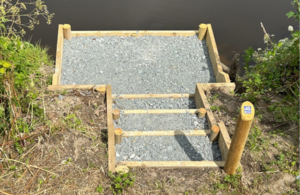
The programme supports projects developed by angling clubs, volunteer groups, schools,ÌýcharitiesÌýandÌýlocalÌýorganisations. From stabilising eroding riverbanks and restoring overgrown ponds to installing accessible fishing platforms and planting thousands of trees, the work spans nature recovery, socialÌýinclusionÌýand community wellbeing.Ìý
In Cumbria, more than 5,300 trees were planted along the River Derwent in 2025, with thousands of volunteer hours invested in restoring spawning habitats and improving access for families and anglers.Ìý
In Shrewsbury, FIP has helped make 2.5 kilometres of riverbank safer and more accessible by replacing hazardous, floodÌýdamaged platforms with new fishing pegs. The improvements mean local anglers, including junior anglers, older visitors and people with disabilities, can return to stretches of the River Severn that had become difficult and unsafe to reach.Ìý
And at the Wish Stream in Sandhurst, FIP funding supported habitat improvements to 600 metres of river running through the Royal Military Academy. Working with the Wild Trout Trust and military volunteers, the project removed obstructions, tackled invasiveÌýplantsÌýand restored natural flow. These changes haveÌýhelpedÌýsupport the stream’s wild trout population and the estate’s wider wildlife.Ìý
Heidi Stone, Fisheries Partnerships Manager at the Environment Agency, said:Ìý
For ten years,ÌýfishingÌýlicence income has helped deliver thousands of improvements that make a real difference to anglers and the communities around them.
This milestone is a testament to the volunteers, clubs and partners who have matched our commitment with their own time,ÌýexpertiseÌýand energy.
EveryÌýfishingÌýlicence sold helps create lasting value for local fisheriesÌýwhereÌýtheÌýmoneyÌýavailable allowsÌýlocalÌýinnovation andÌýimprovements,ÌýincreasingÌýtheÌýfairnessÌýof opportunityÌýforÌýeveryone.ÌýWe look forward to continuing that work with the angling community for years to come.
As families begin planning their spring and summer outdoor activities, the Fisheries Improvement Programme continues to support safer access, improvedÌýhabitatsÌýand inclusive opportunities for people to enjoy spending time by the water.Ìý
Andy Petch, Fisheries Funding Manager at the Angling Trust, said:
The Fisheries Improvement Programme is a fantastic opportunity for clubs and organisations to gain grant funding to improve their fisheries for the benefit of anglers, and a great way for people to see how their rod licence money is reinvested into the sport.
Over the past ten years more thanÌý£10ÌýmillionÌýhas been awarded to clubs and fisheries across the country, fromÌýAlnwick in theÌýNorth EastÌýto the tip of Cornwall.Ìý
It’sÌýnot all about licence checks on the bank – improving accessibility and safety through reinvested funds will help shape the future of our sport for years to come.
Full details of how rod licence income is reinvested to protect and improve England’s fisheries can be found in theÌýEnvironment Agency’s annual fisheries report.Ìý
Information about future rounds of the Fisheries Improvement Programme will be available later this yearÌýon theÌý.