Government ramps up plans to protect Britain’s pig sector against African and classical swine fever
New strategy launched to strengthen UK preparedness against African and classical swine fever
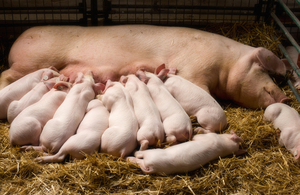
Plans to strengthen protections for pig farmers and industry have been stepped up today (Thursday 14 May) as the government introduces new measures in the event of a swine fever outbreak.
African SwineÌýFever (ASF)ÌýisÌýa disease which affects pigs and wild boar and in recent years it has been circulating in parts of Asia and Africa, leading to the deaths of millions of pigs worldwide and causing significant disruption to the meat trade. The disease has also spread to parts of Europe through the movement of wild boarÌý²¹²Ô»åÌýhuman actions including moving infected meat.
Whilst there has never been an outbreak of ASF in the UK, the updated control strategy is an important part of theÌýgovernment’sÌýplans to prevent and respond to a potential future outbreak.Ìý
TheÌýrevised strategy introducesÌýa more flexible, risk-based framework designed to control disease effectively without imposingÌýsevereÌýrestrictions on famers and producers. It reflects the latest scientificÌý²¹²Ô»åÌýveterinaryÌýevidence and aligns with international best practice.Ìý
A central feature of the update is the introduction ofÌýadditionalÌýrestricted zones (Restricted Zones 1, 2 and 3), which can be deployed depending on the situation. This will help farmers avoid blanketÌýmovementÌýrestrictionsÌýon liveÌýpigsÌý²¹²Ô»åÌýporkÌýproducts, reducing pressures such as overcrowding and enabling day-to-day operations to continue more smoothly.Ìý
The strategy, developed jointly with Scottish and Welsh Governments, also strengthens surveillance requirements. Veterinary inspectors will carry out visits to premises within disease control zones to verify compliance, while enhanced testing will support earlier detection of infection. These measures are expected to provide greater confidence in disease freedom, allowing restrictions to be lifted sooner.Ìý
Risk-based movement licensing has been expanded to support both welfare and business continuity. UnderÌýveterinary oversight, pigs may be moved within zones for welfare reasons or to complete production cycles, helping to prevent overcrowding andÌýmaintainÌýappropriate housingÌýconditions.Ìý
Biosecurity Minister Baroness Hayman said:
This updated strategy reflects our commitment to working in partnership with farmers and the wider pig industry to manage disease risks effectively andÌýprotect aÌýsectorÌýworth over £8 billion.ÌýÌý
These changes will help reduce unnecessary pressures on farmers and producers, maintain high standards of welfare, and ensure we are well prepared to respond quickly and confidently to any outbreak.
UK Chief  Veterinary Officer, Christine Middlemiss, said: Ìý
Our updated swine fever disease control strategy will ensure that we are better prepared than ever before to respond swiftly and effectively to a potential outbreak of African and classical swine fevers. Ìý
Enhanced surveillance and flexible movement licensing will help us detect disease earlier andÌýprotect our national herd whilst maintain essential farming operations in a biosecure manner. Whilst the disease is not present in Great Britain, we encourage all farmers toÌýmaintainÌýstrong biosecurity standards and familiarise themselves with the new measures.
Further updates include:Ìý
- A clearer framework for implementing a national movement ban, ensuring restrictions are proportionate and lifted as soon as conditions allow.
- Greater flexibility in meat controls, allowing certain products from restricted zones to remain commerciallyÌýviableÌýunder specific conditions.
- Detailed guidance on cleansing and disinfection procedures, helping producers plan for safe andÌýtimelyÌýrestocking.
The duration of disease control zones has also been revised. For example, theÌýminimumÌýperiod for protection zones has been reduced to 15 days, down from 30-45, following initial cleansing and disinfection, subject to surveillance outcomes. This is expected to significantly reduce welfare pressures on farms whileÌýmaintainingÌýrobust disease safeguards.Ìý
The updated framework also strengthens the UK’s ability to apply regionalisation principles, helping to protect trade by enabling disease-free areas to continue exporting safely during an outbreak.Ìý
ASFÌýposes no risk to human health as it only affects pigs and related animals. Everyone can help to stop the spread of ASF to the UK by doing the following:Ìý
- If you have visited ASF-affected areas in Europe, or elsewhere in the world, you must not bring any pork or pork products back to the UK.Ìý
- Disposing of leftovers or food waste in secure bins that pigs or wildlife cannot access.Ìý
- Farmers, the public and members of the food industry should practise high biosecurity standards, including never feeding catering waste, kitchen scraps or meat products to pigs which is illegal and can spread the disease.Ìý
The Government continuallyÌýmonitorsÌýdisease outbreaks around the world to assess whether there may be risks for the UK andÌýtakes action to limitÌýthe risk of the disease reaching our shores.Ìý
For more information about the various animal disease outbreak contingency plans, visit each Governments’Ìýexotic disease pagesÌýinÌýEngland,Ìý,ÌýÌý²¹²Ô»åÌý.Ìý
Notes to editors: Ìý
-
The current overall risk of entry of ASF virus in live animals and products of animal origin (POAO) in general from affected countries globally, is assessed as MEDIUM (event occurs regularly). Ìý
-
The risk of ASF entering the UK, through people bringing POAO to the UK (including meat and other pork products such as dog chews) is assessed as HIGH (event occurs very often).Ìý
-
The strategy is available:Ìý/government/publications/african-and-classical-swine-fever-gb-disease-control-strategyÌý
-
Poultry Biosecurity Review to protect our poultry, later this summer, farmers will be able claim £430 for a poultry biosecurity review to build resilience against avian influenza and otherÌýthreats.Ìý
-
OnÌý13 August 2025, the Fair Dealing Obligations Regulations (FDOP25) for the pig sector came into force to give pig farmers and producers greater certainty over the terms of their contracts and protect them from unfair practices.Ìý
-
Poultry Sector Growth Plan to boost profitability - Minister Eagle will be discussing the next Poultry Sector Growth Plan at the upcoming Farming and Food Partnership Board meeting next week. It will focus on reforms that address the sector’s specific challenges and boosting long-term profitability for poultry farmers.ÌýÌý
-
PRRS Disease eradication programme - DEFRA is consulting on a disease eradication Programme for porcine reproductive and respiratory syndrome (PRRS) which would take a mandatory approach to eradicate PRRS.