Hot cars, hot luggage: why where you store your medicines matters this summer
As part of the ‘Summer-proof your health’ campaign, the MHRA is reminding people that heat and poor storage, at home or while travelling, can affect how well some medicines work.
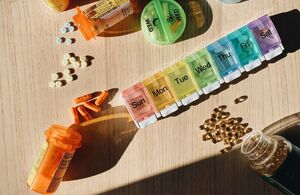
Sun cream, packed. Passport, packed. Medicines, left on a sunny windowsillÌýor in a warm bag forÌýlong periodsÌýwithout a second thought.Ìý
As temperatures rise andÌýthe summer holiday season is well underway, the Medicines and Healthcare products Regulatory Agency (MHRA) is urging people to remember that medicines need looking after too.
Many medicines are intendedÌýto be stored below 25°CÌýandÌýexposure to higher temperatures can reduce how well they work.ÌýWhile some medicines need refrigeration, others should be stored at room temperature.ÌýThisÌýcanÌýbe particularly important for medicinesÌýlike insulin, certain inhalers,Ìýcreams for skin conditionsÌýand some contraceptives.ÌýÌý
This advice extends toÌýmedical devicesÌýsuch asÌýblood glucose monitors and insulin strips.ÌýStorage requirements vary and people should always follow the instructions that come with their medicineÌýor medical device.Ìý
Dr Alison Cave, MHRA Chief Safety Officer, said:Ìý
“During the summer,Ìýplaces such as parkedÌýcars,Ìýpacked suitcases, caravans, and sunny roomsÌýcan get far hotter than people expect.ÌýFor some medicines, these conditions canÌýaffect howÌýwell theyÌýwork.Ìý
“Checking the storage instructionsÌýthat come withÌýyour medicine, andÌýstoring itÌýcorrectly onlyÌýtakes aÌýfewÌýminutes butÌýcanÌýhelp ensureÌýitÌýremains safe and effectiveÌýwhen you needÌýit.â€�Ìý
KeepÌýyourÌýmedicines somewhere cool,Ìýdry,Ìýand out of direct sunlightÌý
The MHRA is encouraging people to:Ìý
-
Check the patient information leafletÌýor packagingÌýfor storage instructions. Patient information leaflets are available online via the MHRA website. Some medicines need refrigeration, others need protection from light or heat.Ìý
-
Avoid leaving medicines in cars, suitcases, or other placesÌýthat can becomeÌývery hot, particularly during summer travel.ÌýÌý
-
Store medicines at home somewhere cool and dry, away from direct sunlight andÌýavoid keeping them inÌýbathrooms orÌýnear sources of heat.Ìý
-
Speak to a pharmacist if you are unsure how a medicine should be stored or if you think it may have been exposed to excessive heat.Ìý
Anyone who suspects their medicineÌýisn’tÌýworking as it should is encouraged to speak to a pharmacist orÌýdoctor andÌýreport suspected issues to theÌýÌý
Visit the MHRA website for moreÌýSummer-proof your health advice,Ìýincluding guidance on medicines, medical devices and staying safe in hot weather.Ìý
Notes to editors:Ìý
-
The Medicines and Healthcare products Regulatory Agency (MHRA)Ìýis responsible forÌýregulating all medicines and medical devices in the UK by ensuring they work and are acceptably safe. All our work is underpinned by robust and fact-based judgements to ensure that the benefits justify any risks.Ìý
-
The MHRA is an executive agency of the Department of Health and Social Care.Ìý
-
For media enquiries, please contactÌýnewscentre@mhra.gov.uk, or call on 020 3080 7651.