Bees’ Needs Week
Updated 1 July 2026
Applies to England

© Crown copyright 2026
This publication is licensed under the terms of the Open Government Licence v3.0 except where otherwise stated. To view this licence, visit or write to the Information Policy Team, The National Archives, Kew, London TW9 4DU, or email: psi@nationalarchives.gov.uk.
Where we have identified any third party copyright information you will need to obtain permission from the copyright holders concerned.
This publication is available at /government/publications/bees-needs/bees-needs-campaign
Bees’ Needs Week is part of Wild Again: Restoring England’s Wildlife – the government’s umbrella campaign to recover our native species and habitats.
We know that bees, and other pollinating insects, are an essential part of our environment and play a crucial role in food production.
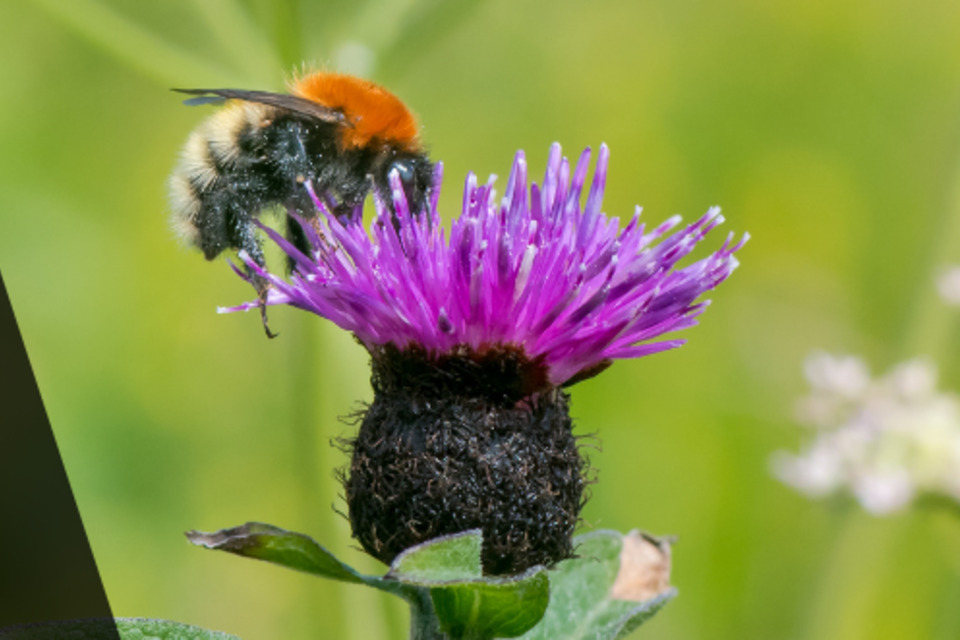
Pollinating insects, like the bee pictured collecting nectar from a purple flower, play a vital role in pollination and biodiversity.
Defra works in partnership with many organisations and partners to help our precious pollinators survive and thrive.
Everyone has a part to play to encourage more beautiful butterflies and buzzing bees in your local area. We can all take simple steps to protect our pollinators and help to restore our natural world.
Bees’ Needs Week 2026: 13 to 19 July
Bees’ Needs Week is an annual event run by Defra, working with a range of organisations including conservation groups, businesses and charities.
The aim of the week is:
- to raise awareness of the importance of bees and other pollinators
- share ideas, actions and activities that highlight the ways in which everyone can help them thrive
We’d love as many people and organisations as possible to get involved.
There are events planned for Bees’ Needs 2026 that anyone can join:
-
13Ìý´³³Ü±ô²âÌý– in London.Â
-
13Ìý´³³Ü±ô²âÌý– , an in-person event exploring how data can drive effective action to protect pollinators in urban environments like the Square Mile and central London – tickets are free but you must prebook your place
-
14Ìý´³³Ü±ô²âÌý– in collaboration with Defra, Bees’ Needs Week celebrates the importance of bees and other pollinatorsÂ
-
discover exciting stands from the RHS Science team and a host of organisations, including Pollinating London Together, Royal Botanic Gardens, Kew, University of Surrey, Surrey Wildlife Trust and Surrey Nature PartnershipÂ
-
hear from experts sharing insights and tips on bees and other pollinatorsÂ
-
enjoy honey tasting with the Royal Botanic Gardens, Kew pollinator research teamÂ
-
take guided tours with garden staff to see pollinator-friendly features and planting at RHS Wisley
-
join sessions throughout the day with members of the Pollinator Monitoring Scheme
-
-
19 July – pollinator-related engagement activities and an educational stand atÂ
You can also hold your own Bees’ Needs Week event in your community – many activities can help to boost knowledge about or help pollinators such as:
- bug hunts
- flower-insect timed counts (FIT Counts)
- community gardening sessions
- making bug hotels or wildflower bombs
Promoting the 5 simple actions described on this page is another way to spread awareness.
You can download a free promotional pack, whether you are planning an event or simply want to help spread the word.
The pack includes:
- a poster showing 5 simple actions you can take to help pollinators
- a blank event poster you can customise to promote your own Bees’ Needs Week activities
- activity sheets for children
Five simple actions
There are 5 simple actions that anyone can take to help pollinators:
- Grow more nectar rich flowers, shrubs and trees. Using window or balcony boxes are good options if you do not have a garden.
- Let patches of garden and land grow wild.
- Cut grass less often.
- Do not disturb insect nests and hibernation spots.
- Think carefully about whether to use pesticides.
Flower-insect timed (FIT) counts
This year, you can also get involved with invaluable citizen science.
All you need to do is simply spend 10 minutes watching flowers and insects in good weather. FIT counts can be done anywhere, including gardens and parks in warm, dry weather, any time from April to September.
Every single count submitted to the UK Pollinator Monitoring Scheme (PoMS) helps make our data more meaningful, to help us learn more about where pollinators live and how their numbers are changing.
Read the PoMS and help us help pollinators!
Bees’ Needs champions
Each year we celebrate Bees’ Needs champions. The awards recognise and celebrate examples of exceptional initiatives undertaken by local authorities, community groups, farmers, businesses and individual people to support pollinators. Whether that’s creating a wildflower patch, educating the local community about pollinators, or taking special measures on your farm.
Applying for a Bees’ Needs champion award 2026
Thank you to everyone who applied to be a Bees’ Needs Champion in 2026. We will publish the names of our winners on 13 July to celebrate the beginning of Bees’ Needs Week.