KAM Guide: IP and wider knowledge assets in technology transfer
Updated 6 August 2026

© Crown copyright 2026
This publication is licensed under the terms of the Open Government Licence v3.0 except where otherwise stated. To view this licence, visit or write to the Information Policy Team, The National Archives, Kew, London TW9 4DU, or email: psi@nationalarchives.gov.uk.
Where we have identified any third party copyright information you will need to obtain permission from the copyright holders concerned.
This publication is available at /government/publications/knowledge-asset-management-kam-hub/kam-guide-ip-and-wider-knowledge-assets-in-technology-transfer
¶Ù¾±²õ³¦±ô²¹¾±³¾±ð°ùÌý
This guideÌýdoes not constituteÌýlegal, business, financial or other professional advice and should not be relied upon when taking business, legal or other decisions. The IPO is not responsible for the use that might be made of this information. Appropriate professional advice should beÌýsought.Ìý
Every effort is made to ensure that the information provided isÌýaccurateÌýand up to date as at the time of publication. However, no legal responsibility is accepted for any errors or omissions.ÌýÌý
This guide may link or signpost to external sites. The IPO is not responsible for this content including the accuracy or reliability. It is your responsibility to ensure the accuracy of any guidance and other information you must exercise your own judgment when engaging with this content or associated services.
±õ²Ô³Ù°ù´Ç»å³Ü³¦³Ù¾±´Ç²ÔÌý
Purpose of this guideÌý
This chapter provides guidance for universities and research institutions carrying out research, knowledgeÌýexchangeÌýand technology transfer. It draws on good practice from across the sector.Ìý
It sets outÌýsomeÌýstrategic themes relating to intellectual property (IP)Ìýand wider knowledge assets,Ìýto support activities linked to the commercialisation of research.Ìý
The guidance explains how toÌýidentify, manage and use IPÌýand wider knowledge assets. ItÌýhighlightsÌýimportant considerations for protection,ÌýcollaborationÌýand commercialisation.Ìý
It is intended for people involved in research,ÌýinnovationÌýand project delivery.ÌýHow it is used will depend on your role,ÌýresponsibilitiesÌýand organisational context.Ìý
The guidance includes prompts and examples to help you recogniseÌýIP and wider knowledge assets, bring together relevant information, and consider options when planning projects. Examples are illustrative and do not cover every situation. Further sources of support are signposted where relevant, and key terms are explained in the glossary.
Technology transfer,ÌýIPÌýand wider knowledge assets,ÌýandÌýresearchÌý
Academic staff are likely to be involved in a wide variety of researchÌýand commercialisationÌýactivities, such as:Ìý
-
³¦´Ç±ô±ô²¹²ú´Ç°ù²¹³Ù¾±´Ç²Ô²õÌý
-
²õ³Ù³Ü»å±ð²Ô³Ù²õ³ó¾±±è²õÌý
-
industrial ±è²¹°ù³Ù²Ô±ð°ù²õ³ó¾±±è²õÌý
-
³¦´Ç²Ô²õ³Ü±ô³Ù²¹²Ô³¦²âÌý
-
±ô¾±³¦±ð²Ô²õ¾±²Ô²µÌý
-
spin-out company formationÌý
-
start-up company formationÌý
In this guide, technology transfer refers to the process of moving knowledge, research, inventions, innovations from one entity to another.ÌýForÌýexampleÌýfrom university to business, or between universities.Ìý
°Õ²¹²ú±ô±ðÌý1:ÌýThis tableÌýprovidesÌýillustrative examples of knowledge exchange and commercialisation activities that can generate income within the higher education sector. These examples reflect categories captured through national data collection on university engagement with business and the wider community, which records activity annually across the sector. The full range of activity is captured through the annual Ìý(HESA) survey.
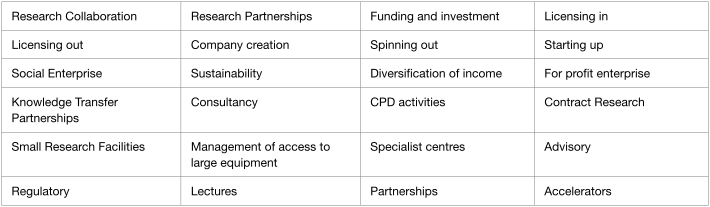
Note: This table is an illustrative synthesis to signpost common activity types and is not intended to reproduce the HE‑BCI framework,ÌýdefinitionsÌýor coverage in full.ÌýÌýForÌýsector‑levelÌýreference, the authoritative source is the annual HESA HE Business and Community Interaction (HE‑BCI) survey and its published tables and definitions.
These examples are:
-
research collaborationÌý
-
research ±è²¹°ù³Ù²Ô±ð°ù²õ³ó¾±±è²õÌý
-
funding and investmentÌý
-
licensing inÌý
-
licensing outÌý
-
company creationÌý
-
spinning outÌý
-
starting upÌý
-
social enterpriseÌý
-
sustainability activityÌý
-
diversification of incomeÌý
-
for-profit enterpriseÌý
-
knowledge transfer ±è²¹°ù³Ù²Ô±ð°ù²õ³ó¾±±è²õÌý
-
³¦´Ç²Ô²õ³Ü±ô³Ù²¹²Ô³¦²âÌý
-
continuing professional development (CPD)Ìý
-
contract researchÌý
-
small research facilitiesÌý
-
managing access to large-scale equipmentÌý
-
specialist centresÌý
-
advisory activityÌý
-
regulatory activityÌý
-
±ô±ð³¦³Ù³Ü°ù±ð²õÌý
-
±è²¹°ù³Ù²Ô±ð°ù²õ³ó¾±±è²õÌý
-
accelerators
IP due diligenceÌýand freedom toÌýoperateÌýassessmentsÌýplayÌýan important roleÌýin supporting technology transfer. By helping toÌýidentifyÌýexisting IP, clarify ownership and understand any third‑party rights, it builds a clear picture of the IP landscape surrounding a project. This improves confidence for all parties involved, supports constructive negotiation of agreements, and reduces uncertainty around howÌýknowledge assetsÌýcan be shared,ÌýlicensedÌýor developed.ÌýÌý
A clear project scope helps toÌýidentifyÌýIPÌýand widerÌýknowledge assetÌýrisks,Ìýopportunities,Ìýcontingency planning. It will help to:Ìý
-
plan resource allocationÌý
-
identifyÌýareas of concernÌý
-
assess gaps in skills, infrastructure, and funding
Active recording and curation of this kind of information at the beginning of a research project helps toÌýidentifyÌýand manageÌýIPÌýand widerÌýknowledge assets.ÌýKeeping the plan updated throughout a project means any changes to the underlying assumptions can beÌýidentifiedÌýto mitigate risks or take advantage of any new opportunities.
¸é±ð²õ±ð²¹°ù³¦³óÌý
Research can take many formsÌýandÌýmay make use ofÌýdifferentÌýsourcesÌýof funding.ÌýEachÌýfunding may haveÌýa specific set of terms and conditions that need to beÌýidentified,Ìýunderstood and managedÌýwithin the project and institutional context.ÌýÌý
UniversitiesÌýand research activities vary in opportunity,ÌýpurposeÌýand context.ÌýAs a result,Ìýthere is no single mechanism or pathway for how universities undertake research, engage in knowledge exchange, or commercialise knowledge assets.ÌýÌý
However, your institutional IP policyÌýis a document thatÌýhelps toÌýoutline your institution’s approach to the management ofÌýIPÌýand widerÌýknowledge assets. The IP policyÌýfurtherÌýprovides guidance on institutional procedures and governance systems to be followed.ÌýItÌýalsoÌýsets outÌýdesignated authority for decision making and sign offÌýandÌýwho to ask for help.ÌýFurther guidance on creating an IP policy in your institution is in theÌýIPÌýpolicy chapterÌýof this guide.
The NPSAÌýÌýtoÌýsupport evaluation of new research proposals and considerations before collaborating or partnering.Ìý
Universities and research institutions are often registeredÌýcharitiesÌýandÌýthis guide highlights charity law compliance as a consideration in the institutional context. In England and Wales, theÌýÌýprovides the statutory framework referenced in this section.ÌýThe Charity Commission publishes guidance. TheyÌýstateÌýthatÌýthisÌýis to help you set up and run your charityÌýbyÌýproviding relevant background when considering how charitable status interacts with activities and partnerships. For example,Ìýhow charities reconcile contract research and partnerships with businesses with their charitable status.
The IPÌýguides,Ìýpublished by the , on Research byÌýHigherÌýEducationÌýInstitutionsÌýprovides comprehensive overviews on specific fields of IP rights and IP management, including practical tips and further resourcesÌý
UKÌýResearch andÌýInnovationÌýpublishÌý,Ìýpresenting examples of the people and projects it invests in and the impacts.
TechnologyÌýtransferÌý
For the purposes of this guide, technology transfer is described as the movement of IP or knowledge assets between entities. This can occurÌýthrough mechanisms such as partnerships, collaboration, licensing,ÌýassignmentsÌýandÌýspinoutÌýcompany formation.ÌýÌý
The technology transfer process is governed by institutional policies such as those concerned with IP,Ìýand by associated legal frameworks.ÌýThe guide thereforeÌýemphasises the importance of understanding institutional policies, processes and procedures that support these activities.ÌýHighlighting thatÌýearly engagement with relevant professional services as part of good practice in research activities that may involve knowledge assets or IP.
Technology transfer can occur between universities, businesses, or government.ÌýTherefore, technology transfer activities will differ depending on the asset, the mechanism of transfer and the nature of the outcome.ÌýÌý
For a widely used international framing,ÌýÌýas a collaborative process. This processÌýenables scientific findings,ÌýknowledgeÌýandÌýIPÌýto flow from creators (such as universities and research institutions) to public and private users, supporting transformation into products and services.
IdentifyingÌýyourÌýIPÌýand widerÌýknowledge assetsÌýÌý
It is important to understandÌýtheÌýIP and wider knowledge assetsÌýyou haveÌýincluding third party IP,Ìýand under what terms and conditions you can use them.ÌýThe complexity of the research environmentÌýmeans thatÌýthereÌýmay beÌýmultiple opportunities for IP conflict. This couldÌýincludeÌýsituations where relevantÌýIP and widerÌýknowledge assets may be unavailable for yourÌýintendedÌýuse.Ìý
It is helpful to developÌýan initialÌýunderstanding of your activities and any potential impact on those activities. This supports active and consistent decision making concerning your IP and wider knowledge assets. The following sections set out some options.
Check IP and wider knowledge assets ownership and access early.Ìý
Before starting any project or venture (whetherÌýfundamentalÌýresearch or commercial work),ÌýidentifyÌýany relevant IP and wider knowledge assets (such as data, materials, software, orÌýknow-how). Confirm who owns them and ensure you have theÌýappropriate rightsÌýor permissions to access and use them.Ìý
Identify,ÌýunderstandÌýand actively manage your opportunitiesÌýfor IP and wider knowledge assets.ÌýÌý
Build in time toÌýidentify,ÌýunderstandÌýand manage potential opportunitiesÌýconcerning IP and wider knowledge assetsÌýas your work develops.Ìý
Plan how you will protect IPÌýand wider knowledge assetsÌýbefore you act.Ìý
ConsiderÌýwhat protection isÌýappropriateÌýhowÌýtoÌýprotect your IPÌýand wider knowledge assets. Put a planÌýin place before publishing,ÌýsharingÌýor progressing activity, so youÌýmaintainÌýyour ability to useÌýtheÌýIPÌýand wider knowledge assetsÌýyou may need.Ìý
Use confidentiality measures where needed.ÌýÌý
Consider whether youÌýmayÌýneed a Non-DisclosureÌýAgreement (NDA)Ìýor ConfidentialityÌýDisclosure AgreementÌý(CDA). These agreementsÌýprotect your ideasÌýand any sensitive information generated or owned,ÌýrecordingÌýthe conditions for disclosure and sharing.Ìý
Understand contractual terms and obligations.ÌýÌý
Before entering into any contract or agreement, make sure you understand the terms,ÌýconditionsÌýand obligations. ForÌýexampleÌýhow confidentiality, responsibilities, and IP/knowledge assetÌýhandling are set out.Ìý
Engage specialist support early.ÌýÌý
Ask yourÌýtechnologyÌýtransferÌýofficeÌýorÌýrelevantÌýprofessional servicesÌýteamÌýearly in the processÌýforÌýadvice and support across these considerations.
Using an invention disclosure formÌý
A confidential invention disclosure form provides aÌýconfidentialÌýrecord ofÌýa new inventionÌýor innovation opportunity. It captures how the invention was created, its key features, and any factors that may affectÌýprotectionÌýand useÌýsuch as IP rights.Ìý
The invention disclosure form is a confidential record tailored to the organisation’s IP policy and governance processes.Ìý
It is important that everyone involved in research understands the need toÌýdiscloseÌýnew inventions confidentially, how the process works, and its limitations.
University guidance on internal and external disclosure timing, and the risks of public disclosure, isÌýusually availableÌýwithin an organisation.ÌýThisÌýmay form part of theÌýorganisation’s IP policy.Ìý
Completing the formÌýappropriatelyÌýwith the university’s professional services team is important. It supports clear documentation, helps assess protection, use,Ìýmanagement,ÌýopportunityÌýand risk.ÌýIt helps toÌýreduce the risk of premature disclosureÌýandÌýhelps clarify inventorship and ownership.Ìý
The formÌýmayÌýtypicallyÌýincludeÌýthe following examples.Ìý
ConfirmationÌýof who the inventors are and the nature of their contributions, to support clarity and avoid later disputes.
DetailedÌýtechnical information about the invention, including:ÌýÌý
-
the technical problem it solvesÌý
-
a comprehensive description of how it worksÌý
-
anyÌýpreviousÌýinventions it builds onÌý
The dateÌýthe invention was conceived.Ìý
DetailsÌýof any past or planned public disclosures, such as:ÌýÌý
-
conference presentationsÌý
-
publicationsÌý
-
discussions with third partiesÌý
Any prior public disclosure may affect the potential patentability of the invention.
DetailsÌýofÌýthird partyÌýcollaborators and funders, including their IP positions and any related obligations.
TheÌýuse of third‑partyÌýmaterials, artificial intelligence tools, software, code,ÌýdataÌýor other contributing elements.
Understanding IPÌýownership,ÌýIPÌýdueÌýdiligenceÌýandÌýopportunity.
IP ownership refers to the legal rights over assets such as patents, copyright,Ìýtrade marks, designs and trade secrets.Ìý
Understanding ownership is an important part of IP due diligence. This includes knowing who owns IP, what rights exist, and whether there are any constraints on how knowledge assets can be used or commercialised.Ìý
Academic freedom to teach and publish sits alongside the need to understandÌýhowÌýto use or exploit knowledge assets. This includes doing soÌýwithout infringingÌýthird‑partyÌýIP or breaching duties of confidence.Ìý
Publishing can be used to place ideasÌýor innovationÌýin the public domain. However, timing is importantÌýas publishing too early mayÌýprevent later patent or design protection of your creations.
Before starting research projects, collaborations, partnerships, licensing, or commercialisation activities, IP due diligence activitiesÌýmayÌýbe undertaken.ÌýÌý
This processÌýcan help toÌýidentifyÌýsuch things as:ÌýÌý
-
further opportunitiesÌý
-
connected contracts and researchÌý
-
funders T&CsÌý
-
third-party IPÌý
-
potential liabilitiesÌý
-
security or reputational risksÌý
-
any legal or regulatory requirements, such as export controls or obligations under the National Security and Investment Act
For commercialisation opportunities specifically,ÌýIPÌýdue diligence should confirm who contributed to the IP and widerÌýknowledge assets.ÌýIt should also confirmÌýwhether the institution has the rights needed to take the opportunity forward.ÌýSome high-levelÌýconsiderationsÌýcan beÌýused to guide due diligence.ÌýA few examples include:Ìý
-
contributors (including staff,ÌýcollaboratorsÌýand students)Ìý
-
funding sources and associated termsÌý
-
use of external materials, software, data or other resources, and any licences or restrictionsÌý
TheÌýobjectiveÌýis to ensure clarity on ownership,ÌýrightsÌýand permissions before progressing.
PublicationÌýand IPÌý
Before any form of publication, it is important to consider how IP and widerÌýknowledge assetsÌýwill be managed.ÌýMany IP rights require protection in a specific sequence and cannot be recovered once prematurelyÌýdisclosed. For patentable inventions in particular, publication,Ìýconference presentation, or otherÌýpublicÌýdisclosureÌýmust not occur before filingÌýthe patent.ÌýPrior disclosure removes novelty and prevents a patent from being granted.ÌýTherefore,Ìýit isÌýcrucial to involve your university’sÌýprofessional services earlyÌýwhereÌýyourÌýresearch may lead to a patentable invention, or any form ofÌýknowledge asset.ÌýCorrectly handled confidential disclosure to your universities professional servicesÌýteamÌýwill not negativelyÌýimpactÌýyour invention.Ìý
Within universities, significant new knowledge is generated and often published openly.ÌýItÌýisÌýthereforeÌýuseful to consider funder terms,ÌýopenÌýaccessÌýrequirements, publisherÌýrightsÌýand any rightsÌýretention policies.ÌýÌý
Publication may also occur through institutional repositories, including student theses.ÌýWhen preparing a thesis for submission or deposit.ÌýItÌýalsoÌýhelpsÌýto consider any IP and widerÌýknowledge assetsÌýitÌýcontainsÌýand toÌýdetermineÌýwhat measures may be needed to safeguard them. This includes ensuring that material requiring protection has not been prematurelyÌýdisclosed.ÌýAny necessary steps for managing confidential or potentially protectable contentÌýshould beÌýtaken before the thesis becomes publicly available.Ìý
Funding conditions can also shape publication routes.ÌýFor example, some funders require notification or acknowledgement.ÌýSponsors mayÌýalsoÌýrequest temporary delays to the release of theses or outputs until IP protection is secured.
Transfer ofÌýmaterialsÌýintoÌýandÌýout ofÌýinstitutionsÌý
Transferring materials owned by a university to another university, institution or business is a routine part of research activity. These transfersÌýare normally set out in a material transfer agreement or similar contract.ÌýThis will includeÌýany associated rights in the materials, including IP rights and widerÌýknowledge assets.Ìý
Having an agreement in place before materials are sent to or received from another organisation helps ensure that expectationsÌýare clearly described and applied.ÌýThese expectations can beÌýaround use, publication,ÌýownershipÌýand confidentiality.Ìý
Such agreements should reflect the principles of the institutional IP policy and are typically managed through professional services.
RecordÌýkeepingÌý
MaintainingÌýaccurate, up-to-date records is an important part of managing and protectingÌýIP and wider knowledge assetsÌýcreated within an institution. Clear documentation helpsÌýestablishÌýownership or authorship when needed and captures the terms and conditions governing access,ÌýuseÌýand control of the assets. ConsistentÌýrecordÌýkeeping, aligned with institutional IP management processesÌýsupports tracking andÌýdemonstratingÌýimpact.ÌýIt alsoÌýprovides informationÌýrequiredÌýfor reporting to funders, including charities with specific compliance expectations.
Students andÌý²õ³Ù³Ü»å±ð²Ô³Ù²õ³ó¾±±è²õÌý
Significant numbers of students are creating businesses during or after their studies.ÌýIn 2024/25,Ìý this as new businesses started by recent students with formal support fromÌýtheirÌýHE provider, reporting 4,687 suchÌýstart‑ups.
UnderstandingÌýhow IP and widerÌýknowledge assetsÌýare generated,ÌýownedÌýand managed in this contextÌýis therefore increasingly useful.ÌýStudents may be undergraduate or postgraduate.ÌýUniversitiesÌýmayÌýsupport these activities inÌýdifferent ways, includingÌýthroughÌýinvestmentÌýandÌýprovidingÌýworkspaces,Ìýresources,ÌýmentoringÌýand businessÌýnetwork access.Ìý
Institutional IP policiesÌýshouldÌýset out the position onÌýownership ofÌýstudentÌýgenerated IPÌýandÌýavailable support.ÌýThey should also coverÌýany circumstances in which the university may take equity in student ventures.ÌýHowever, ownership can differ depending on factors such as funding arrangements, the use of existing university IP or the level of collaboration with university staff. Sponsored projects, studentships and collaborative agreements mayÌýestablishÌýdifferent ownership positions.Ìý UndergraduateÌýand postgraduate students mayÌýalsoÌýbe treated differently depending on the nature of their work.Ìý
When students contribute to research, their role and any associated IP rights should be clearly understood and explained. Institutions may also need to consider whether agreements,Ìýsuch as IP assignments, confidentiality agreements or internship and visitor arrangements,ÌýareÌýrequired.Ìý
It is important to distinguish between inventors and contributors. InventorsÌýare thoseÌýwhoÌýactually devisedÌýtheÌýinvention. This means thatÌýthat they contributed to the formulation of the inventive conceptÌýand thereforeÌýmeetÌýthe legal definition of inventor.ÌýOther contributors mayÌýhaveÌýsupportedÌýresearch and beenÌýnamed on publications,ÌýbutÌýtheyÌýdo not meet the legal definition of inventorship.Ìý
Across all scenarios,ÌýaccurateÌýrecordÌýkeeping and clear contractual arrangements help ensure that IP ownership, responsibilities and related obligations are understood.ÌýIt also ensures these areÌýmanaged in line with institutional IP policy and processes.
Teaching andÌýlearningÌý
Demand for university courses changes over time, and universities often adjust provision in response to employer and student needs. Teaching is also increasingly supported by digital tools and online delivery. When designing and delivering courses, it is helpful to consider howÌýIPÌýand wider knowledge assets are created,ÌýusedÌýand shared.ÌýThis coversÌýownership andÌýpermittedÌýuse of teaching materials. ThisÌýalsoÌýincludes recorded and digital learning, where institutional policies may set rules for creating, accessing, distributing,ÌýreusingÌýandÌýrepurposing recordings. Institutional IP and copyright policies canÌýhelpÌýclarify who owns course materials and what happens whenÌýthe creatorÌýleavesÌýor movesÌýorganisation.ÌýAÌýreview of UKÌýuniversityÌýcopyright policies found most address teaching materials explicitly.ÌýItÌýis also important to addressÌýtermination rightsÌýand manage theÌýwhole process.
¸é±ð²õ±ð²¹°ù³¦³óÌýcollaborationÌý
Research collaboration brings together different forms ofÌýexpertise, experience and resources, and it often involves the creation, exchange and use of IP and widerÌýknowledge assets. Collaborations can provide access to specialised equipment, facilities and skills, and new forms of partnership can broaden perspectives and strengthenÌýsupply‑chainÌýresilience.ÌýTheseÌýactivitiesÌýfrequentlyÌýgenerateÌýshared outputs.ÌýIt isÌýthereforeÌýhelpful to ensure that the management, protection and use of the resulting IP andÌýknowledge assetsÌýisÌýclearly understood by all parties.Ìý
At the outset of any collaboration, documenting who owns existing IP and widerÌýknowledge assets, helps toÌýestablishÌýclarityÌýand reduces the likelihood of future disputes. ThisÌýisÌýalso helped by agreeing ownership of any new assets generated through joint activity. Clear arrangements support effective collaboration and enable partners to work confidently with shared knowledge and resources.Ìý
An appropriate agreement,Ìýsuch as a collaboration contract or bilateral arrangement,Ìýshould set out how IP and widerÌýknowledge assetsÌýwill be accessed,ÌýusedÌýand protected. This includes defining rights to background assets contributed by each partyÌýandÌýrights to new assets created during the project.ÌýIt also includesÌýany conditions related to confidentiality, publication, development, ongoingÌýuseÌýor commercial use. Partners may seek rights to exploit project results commercially. Therefore,Ìýthe agreement should make clear how such rights interact with institutional aims and how potential conflicts of interest will be managed.ÌýÌý
Institutional IP policies provide the overarching framework for knowledgeÌýexchange and commercialisation activity, including collaboration, licensing,ÌýpartneringÌýandÌýspinoutÌýroutes. They explain the institution’s approach to IP ownership, use and the sharing of financial returns, aligned with its charitable purpose and governance processes.ÌýThis is detailed in theÌýIP Policy chapterÌýof this guidance.
GovernanceÌý
Governance foundationsÌý
IP and wider knowledge asset governance refers to the framework of policies,ÌýprocessesÌýand regulations.ÌýTheseÌýguide how an organisation manages,ÌýprotectsÌýand uses its IP and wider knowledge assets. This framework is intended to support ethical,ÌýlegalÌýand strategic handling of IP and wider knowledge assets, aligned to wider business or research goals.Ìý
Governance processes should also ensure that decisions and activities are reviewed and authorised by individuals with theÌýappropriate authority. There should be a clear governance process and timeline for approvals within stages of technology transfer and commercialisation activities.Ìý
Collaborating institutions shouldÌýmaintainÌýup-to-date IP policies aligned with organisational goals, and proactively manage their IP portfolios, associated rights and any relevant agreements.
International knowledge exchange and collaborationÌý
International partnerships can offer access to diverseÌýexpertise, approaches and resources, including specialist facilities and equipment that support research atÌýdifferent stages. However, international partnerships can also introduce new risks.Ìý
International knowledge exchange and collaboration increasingly involve the creation, use and movement of IP and wider knowledge assets across borders. Many of the principles that govern domestic collaboration also apply internationally, but working with overseas partners introducesÌýadditionalÌýconsiderations.Ìý
Before entering an international partnership, it is helpful to consider the legal and IP protection frameworks in the relevant jurisdictions. An IP due diligence process can help to clarify the nature of the project and the role of each partner. It can also identify the legal environment in which collaboration will take place.
Differences in national IP laws, such as rules on assignment, inventorship, registration, time limits or translation requirements, can affect how assets are protected and used.
When collaborating internationally, it is helpful to ensure that institutional policies and procedures specifically guide how IP and wider knowledge assets will be managed across borders. The UKÌýoperatesÌýa strong IP system, but partners overseas may be subject to different legal frameworks, ownershipÌýrulesÌýand terminology.Ìý
Consideration of national security requirements may also be needed, particularly where technology areas involve dual-use applications or sensitive research.Ìý
International collaboration can also engage other regulatory frameworks. Export control rules, data protection requirements and technology transfer regulations may apply, depending on the subject matter and countries involved. Research involving personal data may require cross-border data sharing agreements thatÌýcomply withÌýlaws such as the General Data Protection Regulation (GDPR).Ìý
International collaboration can expose IP and wider knowledge assets to additional risks. These may include infringement, misappropriation of IP, mismanagement due to lack of knowledge, and cultural and legal differences. They may also include compliance obligations, language barriers in contracts and agreements, and challenges in transferring IP or data across borders. Understanding these risks helps institutions manage their assets responsibly when working internationally.
Agreements should therefore set out how background IP is contributed and how new IP will be protected, used,ÌýownedÌýor commercialised. Agreements should also cover how knowledge assets and confidential information will be shared and protected throughout the collaboration.Ìý
Contracts and agreements used in international collaborations should be translated accurately and tailored to theÌýjurisdictionÌýin which the work takes place. Clear choices around governing law,ÌýjurisdictionÌýand contract language help to reduce the risk of misinterpretation where IP ownership and inventorship laws differ. Agreements are usually governed by the laws of the country where the research occurs. However, they may instead be governed by the legal framework of the country of the commissioning or collaborating partner if this is agreed between the parties.Ìý
Clear,ÌýaccurateÌýrecords and active contract management support transparency and help safeguard both existing and newly created knowledge assets. Depending on the circumstances, institutions may also need to seek specialist legal input to ensure that agreements and IP arrangements are robust and aligned with institutional policies.ÌýÌý
The European Commission Cross Border decision guide isÌý. It takes the user through a decision-making process and raises a set of strategic questions to consider when planning and negotiating collaborative research projects.ÌýThe appendices to the decision guideÌýÌýand IPR rules in 19 European countries and New Zealand.
IPÌýand wider knowledge assetÌýgovernance refers to the framework of policies,ÌýprocessesÌýand regulations. These guide how an organisation manages, protects and uses its IP and wider knowledge assets. This framework is intended to support ethical, legal and strategic handling of IP and wider knowledge assets, aligned to wider business or research goals. Governance processes should also ensure that decisions and activities are reviewed and authorised by individuals with the appropriate authority. There should be a clear governance process and timeline for approvals within stages of technology transfer and commercialisation activities.
National Security
National Security and Investment Act (NS&I Act)
The National Security and Investment (NS&I) Act was introduced in 2021 and gives the UK government powers to protect national security. The government can scrutinise and intervene in acquisitions made by anyone, including businesses and investors and in business transactions. In instances where an acquisition could harm the UK’s national security, the government can impose certain conditions on an acquisition or block it completely. Further information, guidance and case studies are available on the National Security and Investment Act.
The requirements of the Act extend to Higher Education Institutions. TheÌýgovernment has published separateÌýguidance for the higher education and research intensive sectorsÌýon theÌýNational Security and Investment Act.ÌýThis coversÌýitsÌýimpact on research and commercialisation activities.ÌýÌý
The Investment Security Unit sits withinÌýtheÌýCabinet Office andÌýoperatesÌýthe National Security and Investment regime. You can contact the Investment Security Unit for an informal discussion about notifications or a future acquisitionÌýby emailingÌýinvestment.screening@cabinetoffice.gov.uk.
National Protective Security Authority (NPSA) -ÌýTrusted Research & Secure InnovationÌý
NPSA is the National Technical Authority for personnel and physical security and offers protective security advice to a range of organisations across the UK. TheÌýTrusted ¸é±ð²õ±ð²¹°ù³¦³óÌýcampaign is aimed at the UK’s higher education and researchÌýsector.ÌýItÌýoffers practical advice and guidance to raise awareness of potential risks, help support secure international collaboration, and drive improvements in research security practices across the sector. The guidance has been developed in collaborationÌýwith the sector to ensure it is practical and proportionate.Ìý
ÌýwebsiteÌýcontainsÌýextensive information for academics, professional services/research services, and senior leaders in UK universities and research organisations.ÌýIt alsoÌýoffers a range of tools to help support individuals and institutions conduct research securely.
NPSA have also developed guidance and materials for the emerging tech sector.ÌýTheÌýÌýcampaign offers practical and proportionate steps for small businesses, start-ups andÌýspin-outsÌýto protect their innovation from the start of their commercialÌýjourney.ÌýItÌýincludes accessible “Quick Startâ€�Ìýguides as well as more detailed security information.
Research Collaboration Advice Team (RCAT)ÌýÌý
The Research Collaboration Advice Team (RCAT) provides guidance to research institutionsÌýregardingÌýthe security risks linked to national and international research.ÌýIt alsoÌýassistsÌýin the protection of the security of the UK’s research ecosystem. RCAT is the first point of contact andÌýaÌýtrusted source for advice onÌýidentifyingÌýand mitigating risks to international research collaborations.Ìý
RCATÌýisÌýresponsible for:Ìý
-
increasing understanding among academics of the laws and regulations they need to follow as they work internationallyÌý
-
developing academics’ understanding about unacceptable tactics we see adversaries usingÌý-Ìýhow these put researchers and their work at risk, and how these risks can be effectively and proportionately managedÌý
-
improving the government’s understanding of how academicsÌýencounterÌýrisk and how they tackle itÌýand how government and academia might work together to improve practicesÌý
-
supporting academic institutions to designÌý
-
implementingÌýpolicies and standards which reflect the importance of the UK’s research base to national security
RCAT is not an enforcement body. They work with research institutions on a voluntary basis, with full respect for the independence of academics and their institutions.ÌýÌý
Within research institutions, communication with RCAT should be conducted through your institution’s nominated RCAT point of contact. If you are unsure who this is, please contact yourÌýresearchÌýoffice.Ìý
RCAT have regional representation throughout the UK, covering:Ìý
-
Edinburgh (Scotland and N Ireland)Ìý
-
Salford (RCAT Head Office and N England)Ìý
-
Birmingham (Midlands)Ìý
-
London (SE England – 2 teams)Ìý
-
Cardiff (S Wales and SW England)
MoreÌýinformationÌýis availableÌýonÌýtheÌýResearch Collaboration Advice TeamÌýand their role to provide adviceÌýon the national security risks linked to international research.
UK Research and Innovation (UKRI)ÌýÌý
Ìý(UKRI) is the national funding agency investing in science and research in the UK to advance knowledge, improve lives and drive growth. Operating across the whole of the UK, UKRI brings together seven Research Councils, Innovate UK, and Research England.ÌýÌý
International collaboration is vital. It ensures that the extraordinary potential of research and innovation can enrich and improve the lives of people in the UK and around the world. UKRI helps the UK’s research and innovation system to thrive by supporting UK researchers and businesses working with people, organisations, and facilities around the world.Ìý
UKRI has offices in China, India, North America, and Europe which are co-located with British Embassies and High Commissions. These offices are building and broadening UKRI’s research and innovation partnerships within those regions. Further information is available inÌýUKRI’sÌýÌýandÌý.ÌýÌý
ÌýoperatesÌýa Trusted Research and Innovation Programme to protect theÌýIP, sensitive research, people, and infrastructure that it supports from potential theft, misuse, and exploitation.ÌýUKRIÌýhas published ‘Trusted Research and Innovation: principles andÌýexpectations’.ÌýThisÌýoutlinesÌýthe principles that UKRI applies to Trusted Research and Innovation and its general expectations of theÌýsupportedÌýresearch organisations.ÌýThese organisations include businesses, research institutes, and research technical organisations.ÌýIts expectations are also set out in UKRI’s policy on organisation eligibility, and in the terms and conditions for specific awards, including anyÌýadditionalÌýterms and conditions.
Academic Technology Approval Scheme (ATAS)ÌýÌý
The is a certificate issued by the Foreign, Commonwealth and Development Office (FCDO). It gives the applicant the required security clearance to study specific subject areas.ÌýGuidance is available on the Academic Technology Approval Scheme..
CommercialisationÌý
Commercialisation is the process through which academic, scientific and technical research outputs are translated into products, services or technologies that reach the marketplace. It enables universities and research institutions to maximise the value and impact of theirÌýknowledge assetsÌýby applying them beyond academia and contributing to social and economic benefit.Ìý
IPÌýand widerÌýknowledge assetsÌýcan be commercialised inÌýdifferent ways, includingÌýsuch things as:ÌýÌý
-
³¦´Ç²Ô²õ³Ü±ô³Ù²¹²Ô³¦²âÌý
-
±ô¾±³¦±ð²Ô²õ¾±²Ô²µÌý
-
joint venturesÌý
-
±è²¹°ù³Ù²Ô±ð°ù²õ³ó¾±±è²õÌý
-
the creation of spinout companiesÌýÌý
Institutional IP policies set out the principles that govern these routes and provide the framework for managing translational activity.Ìý
To support commercialisation, IP and relatedÌýknowledge assetsÌýneed to beÌýidentified, evaluated and protected inÌýa timelyÌýand coordinated manner. This relies on active IP management, ensuring due diligence can be completed efficiently and that freedom toÌýoperateÌýis understood andÌýmaintained.Ìý
IP dueÌýdiligence is commonly undertaken by professional services teams andÌýshould beÌýaligned with institutional policies in areas such as IP, risk,ÌýemploymentÌýand finance.ÌýAdditionalÌýconsiderations may arise depending on the nature of the project or activity.
Areas whereÌýIPÌýdue diligence typically supports commercialisationÌýcanÌýinclude:Ìý
-
awareness of academic entrepreneurship and the IP arising from itÌý
-
identification of new opportunities andÌýassessÂmentÌýof commercial potentialÌý
-
protection and management of IP and widerÌýknowledge assetsÌý
-
support for translational developmentÌý
-
reviewingÌýof funding terms and conditionsÌý
-
licensing of IP and the formation ofÌýspin‑outÌýcompaniesÌý
Across all commercialisation pathways, clear processes and well‑maintainedÌýrecords help ensure that IP andÌýwiderÌýknowledge assetsÌýare managed consistently with institutional policies and long‑term strategic aims.
Technology Readiness LevelsÌý
Technology Readiness Levels (TRLs) describe the maturity of a technology, from early research through testing and demonstration towards use in practice. TRLs are used to summarise technical maturity, including how far a technology has progressed through evidence,ÌýtestingÌýand demonstration.Ìý
Some sectors and organisations use terms such as “commercial readiness levelsâ€� to describe how close an innovation is to being taken up or deployed. These terms are not defined in a single, standard way and can vary by sector.ÌýCommercial factors can be considered alongside TRLs to support a rounded view of what may still be needed to move towards use.ÌýÌýThis avoids the need forÌýa separate commercial readiness scale.Ìý
TRLs were originally developed by NASA and are now used widely beyond their original context, including in UK government material and research funding guidance.Ìý
Source: TRL scale descriptions and definitions are published by NASA and are used widely in other contexts, including UK government material and UKRI funding guidance on activities and eligibility across TRLs.Ìý
TableÌý2: Summary of Technology Readiness Levels (TRLs), showing levels 1 to 9 and their descriptions from early research to operationalÌýuse.
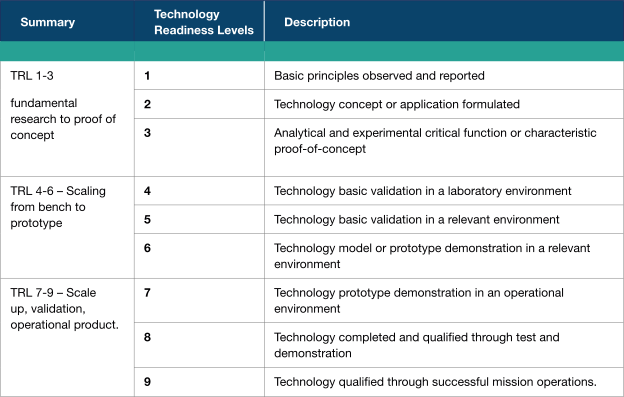
TRL 1–3: fundamental research to proof of concept:
-
TRL 1:Ìýbasic principles areÌýobservedÌýand reported
-
TRL 2:Ìýa technology concept or application is formulated
-
TRL 3:Ìýanalytical and experimental work produces a proof of concept for a critical function or characteristic
TRLs describe technical maturity, not whether something is ready to be used or sold. At TRL 1–3 the work is usually exploratory.ÌýAt thisÌýstageÌýtheÌýfocus isÌýtypicallyÌýclarified, includingÌýuser need, securing the right capability and resources.ÌýAppropriateÌýarrangements for IP and other knowledge assetsÌýshould also be put in place.Ìý
TRL 4–6: scaling from bench to prototype:
-
TRL 4:Ìýtechnology isÌývalidatedÌýin a laboratory environment
-
TRL 5:Ìýtechnology isÌývalidatedÌýin a relevant environment
-
TRL 6:Ìýa technology model or prototype isÌýdemonstratedÌýin a relevant environment
At TRL 4–6 there is stronger evidence from testing and demonstration, often in conditions that are closer to intended use.ÌýThings such asÌýwhether there is a defined route to adoption, suitable partners or delivery options, funding, and a clear view of regulatory, quality and assurance requirementsÌýmay be considered.ÌýClarification of the position on IP and other knowledge assets also affects what can be shared,ÌýdevelopedÌýor licensed.Ìý
TRL 7–9:Ìýscale‑up, validation and operational use:
-
TRL 7:Ìýa prototype isÌýdemonstratedÌýin an operational environment
-
TRL 8:Ìýthe technology is completed and qualified through test and demonstration
-
TRL 9:Ìýthe technology is proven through successful mission operations (operational use)
High TRLs indicate that a technology is close to, orÌýoperatingÌýin, an intended environment. They do not, on their own, confirm that an opportunity is ready for wide adoption or market rollout. Readiness for deploymentÌýalsoÌýdepends on whether practical steps are in place, such as manufacturing or service delivery capability, compliance with regulatory and quality requirements, evidence of user or customer uptake, and ongoing management of IP and other knowledge assets.
¸é±ð²õ±ð²¹°ù³¦³óÌýemergingÌýfrom academic environments is often at an early TRL.ÌýItÌýmay require further development before it is ready for licensing or adoption by a spinout company. Translational funding, including incubators,ÌýacceleratorsÌýand proofÌýofÌýconcept schemes, can help bridge this gap. This is achievedÌýby supporting technical validation and the safeguarding of IP and widerÌýknowledge assetsÌýas they progress. As technologies move through these levels, active andÌýtimelyÌýmanagement of the associated assets supports both their protection and their future commercial potential.
IPÌý±ô¾±³¦±ð²Ô²õ¾±²Ô²µÌýÌý
Licensing is a common mechanism for enabling the use of IP and widerÌýknowledge assetsÌýwhile allowing the original owner toÌýretainÌýownership and oversight. Licensing arrangements can create structured ways for benefits arising from the use of these assets to be shared.ÌýAnÌýexampleÌýof this isÌýby linking financial returns to the value generated. They may also support collaboration with established organisations whose technical capabilities, market knowledge or distribution networks can help progress an innovation.ÌýIn certain sectors, particularly high-technology areasÌýwhere they may beÌýoverlapping patent rights innovatorsÌýmay beÌýrequiredÌýto reach licensing deals for multiple patents held by multiple parties.ÌýÌý
A licence is a formal agreement between the owner of the IPÌýandÌýknowledge assetÌýand one or more parties who receive permission to use it under defined conditions. OwnershipÌýor control of the assetÌýremainsÌýwith the licensor, who sets out how the assets may be accessed,ÌýusedÌýor commercialised, and whether financial payments will apply.Ìý
Licences can take several forms. A “licence-outâ€� refers to another party using the licensor’s assets, while a “licence-inâ€� grants the institution permission to use assets owned by someone else.ÌýLicencesÌýmay involveÌýseveral different assets. They may also involveÌýsingle or multiple licensors orÌýlicensees,ÌýandÌýtheyÌýmay be exclusive or non-exclusive depending on the scope ofÌýtheÌýrights granted.ÌýCross licenses allow for two parties to shareÌýthe use of assets from both sides. Sub-licenses enable a licensee to issue further licenses.ÌýÌý
Institutions usually set out their approach to licensing within their wider knowledgeÌýexchange and commercialisation frameworkÌýand IP policy. For each project or opportunity, licensing arrangementsÌýshouldÌýconsider how ownership, use and reuse of the relevant assets will be managed.ÌýThisÌýincludesÌýcircumstances where rights might return to the institution if an opportunity is notÌýprogressed. Such arrangements can help ensure that IP and associatedÌýknowledge assetsÌýcontinue to have routes for future development or application.Ìý
Licensing agreements range from simple to complex depending on the context and the level of controlÌýrequired. A clear starting point isÌýan accurateÌýrecord of the key outcomes ofÌýinitialÌýdiscussions, often captured in aÌýnon‑bindingÌýIPÌýfocussedÌýHeads of TermsÌýrecord. This document can support negotiations by summarising intentions while leaving detailed rights and responsibilities to be set out in the final contract.
The IPO has aÌýchecklist on the benefits of licensing and when licensing isÌýnotÌýappropriate.ÌýÌý
You can find out more about licensing IP, the guidance varies on whetherÌýyou’reÌýlicensing:Ìý
-
patents:ÌýLicensing IPÌý
-
trade Marks:ÌýLicense, mortgage, transfer, merge and market your trade markÌý
-
designs:ÌýLicense, mortgage, sell, change ownership and market your designÌý
-
copyright:ÌýLicense, sell or market your copyright material
In some cases, use of IP assets owned by third parties can be used without permission underÌýexceptions laid out inÌýthe legal framework for thatÌýIP right.ÌýHowever, the scope of the exception should be checked before completing any technology transferÌýactivities,Ìýin caseÌýa licence-in isÌýrequired.ÌýThe use ofÌýexceptionsÌýmay requireÌýexpertÌýconsultation.
Spin-out companiesÌý
A spin-out company is a new business formed to develop and apply theÌýIP, research outputs or widerÌýknowledge assetsÌýgenerated within a university or research institution. Spin-outsÌýrepresentÌýone pathway for progressingÌýearlyÌýstageÌýinnovations toward commercial use.ÌýTheyÌýtypically require coordination between academics, professionalÌýservicesÌýand external partners.Ìý
Establishing a spin-out usually involves bringing together a range of assets and capabilities needed to commercialise the underlying IP.ÌýThese may include investment, specialist management experience, technicalÌýexpertise,ÌýequipmentÌýand suitable facilities. Different commercialisation routes may therefore be considered depending on the resources available and the intended outcomes for theÌýknowledge assetsÌýinvolved. Throughout this process,Ìýaccurate,ÌýcomprehensiveÌýand active recordkeeping helps ensure that existing and newly created IP andÌýwiderÌýknowledge assetsÌýare documented,ÌýunderstoodÌýand managed effectively.Ìý
Several IPÌýrelated considerations may arise when forming a spinout. These can include how equity will beÌýallocatedÌýbetween the university, academicÌýfoundersÌýand external investors, and how the shareholders’ agreement reflects these positions. It is also important toÌýdefineÌýclearlyÌýtheÌýIPÌýand wider knowledge assetsÌýto be commercialised, including any associatedÌýknow-how.ÌýAnyÌýbackground IP required by the spin-outÌýshould also beÌýidentified.Ìý
Agreements may set out whether IPÌýand wider knowledge assetsÌýwill be licensed or assigned to the company. This mayÌýalsoÌýincludeÌýwhether assignment is linked to milestones such as commercial progress or investment levels.ÌýÌý
AdditionalÌýconsiderations may relate to:Ìý
-
the use and ownership ofÌýtrade marksÌý
-
reimbursement of patent costs incurred by the universityÌý
-
the terms of any licence granted to the spin-outÌý
Licensing arrangements may addressÌýaspectsÌýsuch as:ÌýÌý
-
royalties
-
responsibility forÌýthe IP and widerÌýknowledge assetsÌý
-
prosecution and maintenanceÌý
-
action against infringementÌý
-
any ongoing research or technical support
Spinouts may require access to university facilities, equipment or staff, and agreements can define the terms under which this access is provided. These arrangements help ensure that the IP and widerÌýknowledge assetsÌýunderpinning the spinout are understood,ÌýrecordedÌýand managed in line with institutional policies and processes.ÌýThisÌýsupportsÌýclarity for all parties involved.
SocialÌýenterpriseÌý
A social enterprise is a businessÌýestablishedÌýto address social or environmental challenges while generating revenue to support its activities. Unlike traditional commercial models, social enterprises balance financial sustainability with social impact and typically reinvest surplus funds to advance their mission.ÌýÌý
As with any organisational model that develops or deploysÌýnew ideas, it is useful to consider IP and widerÌýknowledge assets. These include thoseÌýthat are brought into, createdÌýwithinÌýor used by the enterprise.ÌýÌý
Understanding the parties involved, the origins of theÌýknowledge assetsÌýand the conditions under which those assets can be used or shared supports clarity and responsible management. This includes considering ownership, access, ongoingÌýmanagementÌýand any arrangements that shape how the assets contribute to the enterprise’s mission.ÌýÌý
Accurate and comprehensive recordkeeping also playsÌýan important role.ÌýIt supports the identification, documentation and continued management of the IP andÌýwiderÌýknowledge assetsÌýthat underpin the social enterprise’s work.
Accelerators andÌýIncubatorsÌý
Accelerators and incubators offer structured environments to support the development ofÌýearlyÌýstageÌýstartupsÌýandÌýspin-outs. Accelerators typically provide short, intensive programmes that combine funding, mentoring,ÌýtrainingÌýand networking to help ventures progress rapidly. Incubators usually run over a longer period and focus more on developing ideas and products.ÌýThey may provide in-kind support rather than direct funding and often place less emphasis on rapid scaling.Ìý
Within these programmes, various activities can involve or generate IP and widerÌýknowledge assets. These may include:ÌýÌý
-
structured training programmesÌý
-
seed funding arrangementsÌý
-
mentorship from industry expertsÌý
-
networking events or investorÌýfocused activities,Ìýsuch as pitch development
Each of these interactions can influence howÌýknowledge assetsÌýare created,ÌýsharedÌýor managed.Ìý
For startupsÌýparticipatingÌýin accelerators or incubators, understanding IP andÌýknowledge assetsÌýinvolved at an early stage supports clarity as the venture develops. This includesÌýrecognising:ÌýÌý
-
what assets are brought into the programmeÌý
-
what new assetsÌýemergeÌýduring itÌý
-
howÌýnewÌýassets are managed when engaging with external partners,ÌýmentorsÌýor investorsÌý
Clear documentation and active recordkeeping help ensure that relevant assets areÌýidentified,ÌýtrackedÌýand managed in line with institutional policies and programme expectations.Ìý
Many accelerator and incubator programmes include elements of IP awareness or training to help participants build a foundation for managing theirÌýknowledge assetsÌýeffectively. Where needed, further support may beÌýsoughtÌýfromÌýappropriate institutionalÌýor external sources as part of the programme’s wider development activities.ÌýAdvice for businesses is available from the IPO.
ConsultancyÌý
Consultancy isÌýan example ofÌýone of the mechanisms through which knowledgeÌýmayÌýmove between a university and external organisations.ÌýThisÌýcanÌýsupport exchange in both directions and complementsÌýother routes such as licensing or collaborative research. Consultancy activity can generate new IP and widerÌýknowledge assets.ÌýTherefore,Ìýit is useful toÌýidentifyÌýhow any resulting assets will be owned,ÌýmanagedÌýand used as part of the contractual arrangements.Ìý
IP generated through consultancy may be handled differently depending on the type of consultancy involved.ÌýThis includes:Ìý
-
universityÌýmanaged ³¦´Ç²Ô²õ³Ü±ô³Ù²¹²Ô³¦²âÌý
-
consultancy provided to a spin-outÌý
-
private consultancy undertaken by an academic
Institutional IP and consultancy policies usually set out the relevant principles that guide ownership and use in each of these contexts. Clear,Ìýaccurate,Ìýand active recordkeeping supports this process. It does thisÌýby documenting the assets brought into the consultancy, the assets created during it and the agreed terms that govern their use.Ìý
Universities often have policies to ensure that private consultancy does not conflict with institutional consultancy activities or wider commercialisationÌýobjectives. These policies also help ensure that academic staff are aware of any institutional requirements connected with IP, knowledgeÌýassetÌýmanagementÌýor contractual responsibilities. Together, these measures support consistent and transparent handling of IP andÌýwiderÌýknowledge assetsÌýarising from consultancy work.
Contract researchÌý
Contract research involves the use of existing knowledge to deliver a defined piece of work funded entirely by an external organisation, such as a business or government body. Unlike collaborative research, the work programme in contract research is typically set by the external partner, and theÌýanticipatedÌýoutcomes are usually well understood rather than exploratory. Because the activity is directed toward the needs of the funder, it often does not fall within theÌý.ÌýÌý
Institutional IP policies playÌýan important roleÌýin providing a framework for contract research. They outline the procedures and governance arrangements that guide professional services teams when negotiating contracts, managing the IP and widerÌýknowledge assetsÌýinvolved.ÌýThisÌýensuresÌýthat the interests of all parties are recognised. Clear documentation alsoÌýassistsÌýinÌýidentifyingÌýbackground assets, newly generatedÌýassetsÌýand the conditions under which these may be accessed,ÌýusedÌýor transferred.Ìý
The Charity Commission has issued guidance on how charitable bodies can undertake contract research or work with businesses in ways thatÌýremainÌýcompatible with charitable status. Universities often adopt a blended approach to sponsored and contract research, with processes for managing grants, broader partnership arrangements,Ìýand contract researchÌýoperatingÌýalongside one another. This approach helps institutions manage knowledgeÌýasset use, contractual terms,Ìýand compliance requirements in a coherent and transparent manner.
TransferringÌýKnowledgeÌý
Universities hold extensive,Ìýstate-of-the-artÌýknowledge within the disciplines in which theyÌýoperate, and this knowledge is transferred in many ways. Teaching is one important route, but knowledge is also exchanged through a wide range of other activities involving partners outside the university.Ìý
Businesses may approach universities to accessÌýexpertise, solve organisationalÌýchallengesÌýor support innovation. This can take many forms, such as commissioning materials testing, seeking analytical support, or drawing on academic insight to develop strategies or processes. These interactions often involve the use, development or exchange of IP and widerÌýknowledge assets.ÌýTherefore,Ìýmaking it important to understand what assets are being used and how they are managed.Ìý
ÌýisÌýavailable.ÌýIn this case,Ìýthe IPÌýgeneratedÌýis not always protectable but is a consequence of collectiveÌýknow-howÌýand access to facilities. IP outputs (such as copyright subsisting in any reports or other deliverables) are often only relevant to the client.
Continuing Professional Development (CPD)ÌýÌý
Continued Professional Development (CPD) refers to the ongoing process of learning, training and skills enhancement that enables individuals toÌýmaintain, update or advance their professional capabilities. As part of this process, new IP and broaderÌýknowledge assetsÌýmayÌýbeÌýcreated.ÌýÌýThese can includeÌýteaching materials, training content, tools,ÌýframeworksÌýand other learning resources.Ìý
Because these outputs can hold significant organisational value, they should beÌýidentified,ÌýprotectedÌýand managed effectively. CPD activities can also generate substantial income for the organisation.ÌýThisÌýmeansÌýthat the IP arising from teaching and skills development must be handled withÌýappropriate considerationÌýof ownership, rights of use andÌýlongÌýtermÌýstrategic value.Ìý
Clear IP management is particularly important where teaching materials may be used or shared nationally or internationally. Ensuring the organisationÌýretainsÌýappropriate ownershipÌýand control helpsÌýto:ÌýÌý
-
safeguard qualityÌý
-
maintain brand consistencyÌý
-
unlock opportunities for commercialisation,ÌýpartnershipÌýand wider impact
ShowcasingÌýTechnologyÌýTransfer, CollaborationsÌýandÌýCommercialisation
There are many examples of successful collaborations between universities and businesses thatÌýshowcaseÌýgood practice, including:Ìý
-
Ìý
-
Ìý
-
Ìý
-
Ìý
The UK research community is also working toÌýidentifyÌýand share good practice in knowledge exchange and commercialisation, including through theÌýÌýand its supporting resources.Ìý
TheÌýIPOÌýhas a range of materials relevant to knowledge exchange activities, includingÌýguidance on licensingÌýandÌýnon-disclosure agreements. However, it is important to seek professional legal advice when entering into contracts.Ìý
There are also wider guidance materials from theÌýIPOÌýto support knowledge exchange activity, includingÌýguidance on valuing intellectual propertyÌýand theÌýintellectual property finance toolkit.