Income Dynamics: quick guide
Published 26 March 2026

© Crown copyright 2026
This publication is licensed under the terms of the Open Government Licence v3.0 except where otherwise stated. To view this licence, visit or write to the Information Policy Team, The National Archives, Kew, London TW9 4DU, or email: psi@nationalarchives.gov.uk.
Where we have identified any third party copyright information you will need to obtain permission from the copyright holders concerned.
This publication is available at /government/statistics/income-dynamics-2010-to-2024/income-dynamics-quick-guide
Key things you need to know about Income DynamicsÌý2010 to 2024.
What is Income Dynamics?
Income Dynamics (ID) uses data fromÌýtheÌýUnderstanding SocietyÌýsurveyÌýtoÌýproduceÌýa measure of disposable household incomeÌýforÌýeach individual.ÌýÌý
ID presents analysis of income in the following ways:
-
Persistent Low Income: statistics on percentages of individualsÌýinÌýlow incomeÌýfor at least 3 of theÌýpreviousÌý4Ìýsurvey periodsÌýÌý
-
Movements within the income distribution:Ìýlooking at how individuals have moved within the income distributionÌýÌý
-
Movements in and out ofÌýrelativeÌýlow incomeÌý(also calledÌýlow incomeÌýentries and exits): including analysis on theÌýrole of factors that may be linked to these movements
Information on persistent low incomeÌýandÌýlow incomeÌýentries and exitsÌýisÌýprovidedÌýforÌýall individuals,Ìýchildren, working-ageÌýadults,Ìýand pensioners.ÌýTheseÌýmeasuresÌýalsoÌýinclude a range of breakdowns so thatÌýthey can be exploredÌýby factorsÌýof interest, such as the presence of long-standing illness or disability, ethnicity, country and region, andÌýworking status.
HowÌýis income measured in ID?
ID producesÌýa measure of income available toÌýeach individualÌýbased upon the amount of income available to their household.ÌýÌý
Household incomeÌýincludes the following components:
-
labour income – usual pay and self-employment earnings, and includes income from second jobsÌý
-
miscellaneous income – educational grants, payments from family members and any other regular paymentsÌý
-
private benefit income – includes trade union and/or friendly society payments, maintenance or alimony and sickness or accident insurance, andÌýincome from Student Loans or Tuition Fee LoansÌý
-
investment income – private pensions and/or annuities, rents received, income from savings and investmentsÌý
-
pension income – occupational pensions incomeÌý
-
state support – tax credits and all state benefits including State PensionÌýand Universal Credit
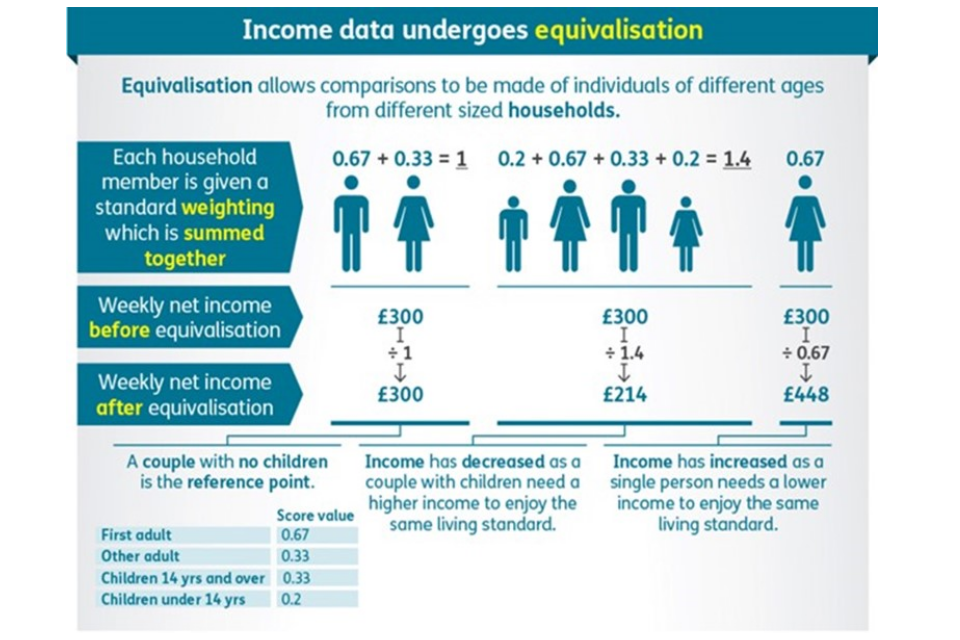
ToÌýestimate the amount ofÌýhouseholdÌýincomeÌýthat isÌýavailable toÌýeachÌýindividualÌýin that household, we adjustÌýhousehold incomeÌýtoÌýreflectÌýtheÌýhousehold’sÌýsize and composition.ÌýThisÌýadjustmentÌýis calledÌýequivalisation.ÌýEquivalisationÌýaims to make individual incomes comparable.ÌýIt does thisÌýby giving each household member a weighting.ÌýDifferent weightings are used depending on whether analysis is conductedÌýbefore or after housing costs – see next section for more information on before and after housingÌýcosts analysis.ÌýThese weightings areÌýaddedÌýtogether toÌýcreateÌýa household weighting factor.ÌýTheÌýhousehold’sÌýweekly net income isÌýthenÌýdivided byÌýthisÌýfactor toÌýproduceÌýanÌý‘equivalised’Ìýincome,Ìýwhich is the same for each member of the household.ÌýThe process of equivalisationÌýresults in theÌýincome of a single personÌýbeingÌýadjusted upwards,Ìýand that of an individual in a householdÌýcontainingÌýchildren being adjusted downwards.
Figure 1: How household income is equivalised (BHC)
OnceÌýeach individualÌýhas been assignedÌýanÌýequivalised household income,ÌýaÌýmedianÌývalue for this incomeÌýcan beÌýidentified.ÌýAn individual isÌýthen determined to beÌýinÌýrelative low incomeÌýifÌýtheirÌýequivalised household incomeÌýisÌýless than 60% ofÌýtheÌýmedian.
ID statistics are presented both Before Housing Costs (BHC)Ìýand After Housing Costs (AHC)
| BHC income | AHC income | |
|---|---|---|
| How measured | An income measure that is net of:ÌýIncome tax,ÌýNational Insurance, andÌýCouncil tax. | Derived by deducting housing costs (mortgage interest and rent payments) from BHC income. |
| ProsÌýandÌýconsÌýof approach | BHC measures can be useful if interested inÌýnetÌýincomeÌýlevels, andÌýcomparing these between individuals inÌýdifferent typesÌýofÌýhousehold, particularly non-pensioner households (see opposite). | AHC measures can be useful when comparing what is left to live with after housing costs have been paid. AHC measures may be better when looking at pensioner incomes: pensioner income BHCÌýmay be lower than thatÌýof other individuals,Ìýbut pensioners may also have lower housing costs. |
AboutÌýthe data
ID uses data from theÌýÌýsurvey. UnderstandingÌýSociety, led by the University of Essex, is a longitudinal survey of individuals in the United Kingdom which has been running since 2009.ÌýEach survey period or ‘wave’ runs for 2 calendar years. In the survey period 2023 and 2024, theÌýlongitudinalÌýsample includedÌýoverÌý39,000Ìýindividuals.
UnderstandingÌýSociety added a new sample of individuals to theÌýsurvey inÌýtheÌýwave which ran inÌý2022Ìýand 2023. We are now using data which includes this sample in ourÌýstatistics. ThisÌýmeans thatÌýstatistics which includeÌýdata from this periodÌýonwardsÌýÌýareÌýnot fully comparable to those preceding them.Ìý°Õ³ó±ðÌý³¾²¹¾±²ÔÌýIDÌý°ù±ð±è´Ç°ù³ÙÌýexplains this change in more detail.
Who is andÌýisn’tÌýincluded?
Individuals not livingÌýin private households at the start of the survey in 2009Ìýwere not included.ÌýThis means that the original sample excluded people living in institutional forms of accommodation such as nursing or retirement homes.ÌýUnderstandingÌýSocietyÌýhasÌýcomplexÌýrules about which sample membersÌýremainÌýin the surveyÌýasÌýhousehold circumstances changeÌý– please see theÌýIDÌýBackgroundÌýinformation and methodologyÌýnote for more information.
HowÌýaccurateÌýare our statistics?
Results from surveys areÌýbestÌýestimates,Ìýand not precise figures – in general terms the smaller the sample size, the larger the uncertainty. We are unable toÌýquantifyÌýhowÌýaccurateÌýour estimates are, but please note thatÌýsomeÌýdifferences between groups orÌýfromÌýyearÌýto yearÌýmay notÌýreflect changes in the wider population.ÌýOur report and tablesÌýnoteÌýwhere small sample sizes might be affectingÌýthe certaintyÌýassociated withÌýour estimates.
WhichÌýIDÌýpublicationÌýshould be usedÌýto findÌýstatistics on earlier time periods?
Each year we re-run all our analysis (from 2010ÌýandÌý2011) on the latest UnderstandingÌýSocietyÌýdata release. EachÌýdataÌýreleaseÌýcontainsÌýrevisions made by the UnderstandingÌýSocietyÌýteam to makeÌýtheÌýdata moreÌýaccurate, based on updated information about individuals and households in the sample. ThisÌýmeans that someÌýstatistics that we have previously publishedÌýareÌýchangedÌýin the most recent publication. BecauseÌýtheseÌýrevisionsÌýresult fromÌýimprovements toÌýdata quality,Ìýit is always best to refer to the most recent ID publication.ÌýIn addition, since its first publication, ID has introduced improvements and developmentsÌýover time, meaning thatÌýsuccessive publicationsÌýhave become more comprehensive.
How to useÌýID
| ID can be usedÌýto explore | ID cannot be usedÌýfor |
|---|---|
| Rates of persistent low income among different population groups, broken down by key demographic and socio-economic characteristics | SayingÌýconclusively that differences between groups and change over time exists in the wider populationÌý(ID does not publishÌýinformation onÌýhow muchÌýuncertainty surrounds the statistics). |
| TheÌýsampleÌýcomposition to see if certain groupsÌýappear to beÌýover-represented among those in persistent low income | EstimatingÌýnumbers in the general populationÌý–ÌýID does notÌýcontainÌýgrossingÌýfactors to enable this. |
| Rates of movement into and out of low incomeÌý(low incomeÌýentries and exits) | Small area level estimatesÌýof income or low incomeÌý– theÌýsample size is not large enough to provide sub-regional estimates. Please seeÌýONS’ÌýÌýand DWP’sÌýChildren in Low Income Families: Local Area Statistics. |
| Analysis ofÌýhowÌýdifferent factorsÌý– such as changes in income sources or employment – are related toÌýlow incomeÌýentry and exit | Establishing the causes of persistent low income or ofÌýlow incomeÌýentry and exit. ID analysis focuses upon associations between 2 variables e.g. employment and persistent low income. Other factors may influence that relationship, such as disability or qualifications, or more difficult factors to measure such as local job markets or discrimination. |
| Income mobility over timeÌý– this analysis is across the whole income distribution | Single year estimates ofÌýthe percentage of individuals inÌýlow income – useÌýHBAIÌýfor these.ÌýID includes single wave estimates of low income in ourÌýmethodology tables,Ìýbut these are based on 2 calendar years. |
More detailed supporting information about ID can be found in ourÌýBackground information and methodology report),Ìýand in ourÌýID Tables Guide, which provides detail on what ID statistics are available, and further guidance on interpretation.
RelatedÌýinformation andÌýstatistics
The following ONS publications provide useful information and guidance on alternative sources of data on earnings and income:
-
Ìý
-
IncomeÌýDynamics is Official StatisticsÌýand is regulated by the Office for Statistics Regulation (OSR).ÌýStandards of trustworthiness, quality and value are set out byÌýthe OSRÌýinÌýthe .
Details ofÌýAccredited Official StatisticsÌýand Official Statistics produced by the Department for Work and Pensions can be found via the following links:Ìý
-
²¹â€¯schedule of statistical releases over the next 12 months andÌýÌý
Information about planned developments for DWP’sÌýOfficialÌýStatistics can be found in theÌýDWP Statistical Work Programme.