Sexual and reproductive health profiles: statistical commentary, February 2026
Published 3 February 2026
Applies to England

© Crown copyright 2026
This publication is licensed under the terms of the Open Government Licence v3.0 except where otherwise stated. To view this licence, visit or write to the Information Policy Team, The National Archives, Kew, London TW9 4DU, or email: psi@nationalarchives.gov.uk.
Where we have identified any third party copyright information you will need to obtain permission from the copyright holders concerned.
This publication is available at /government/statistics/sexual-and-reproductive-health-profiles-february-2026-update/sexual-and-reproductive-health-profiles-statistical-commentary-february-2026
°Â³ó²¹³Ù’sÌý²Ô±ð·É
Indicators in the Sexual and Reproductive Health profile have been updated with data about the prescribing and use of contraceptives in England. The data includes prescriptions and activity undertaken by primary care and dedicated sexual and reproductive health services in England. The latest data covers 2024.Ìý
Abortions data forÌý2022Ìýand 2023Ìýhas also been added to the profile.ÌýFurther information aboutÌýAbortion statistics for England and Wales: 2022Ìý²¹²Ô»åÌýAbortion statistics for England and Wales: 2023Ìýwas given when the data was published.Ìý
±õ²Ô³Ù°ù´Ç»å³Ü³¦³Ù¾±´Ç²ÔÌý
Local authoritiesÌýare required toÌýcommission comprehensiveÌýopen accessÌýsexualÌýand reproductiveÌýhealth services, including free testing and treatment for sexually transmitted infections. Services should also offer advice on and reasonable access to a broad range of contraception, and advice on preventing unplanned pregnancy.ÌýÌý
Contraception is also provided in hospital outpatient clinics or in primary care (GP practices) and can beÌýpurchasedÌýover the counter at a pharmacy or in other retail settings.Ìý
Contraceptive typesÌý
Different methods of contraception are available from these settings. There is no single dataset which captures all methods of contraception across all services which provide contraception. The  consists of anonymisedÌýpatient-levelÌýdata, covering contraception prescribing at sexual health services. Prescribing data for primary care is available from the  (NHS BSA).
Methods of long-acting reversible contraception (LARC) prescribed to women include:Ìý
- injectables: progestogen-only injections which typically last 8 to 12 weeksÌý
- implants: under the skin progestogen-only implants which last 3 to 5 yearsÌý
- intrauterine devices: progestin-releasing or copper devices, effective for 3 to 7 years depending on typeÌý
Methods of short-acting reversible contraception prescribed to women include:Ìý
-
combined oral contraceptives (COCs) whichÌýcontainÌýoestrogen and progestogen, one of the most used pills by those starting contraception for the first timeÌý
-
progestogen-only pills (POPs) whichÌýcontainÌýonly progestogen are also called the mini-pill and require precise daily timing for effectivenessÌý
An increase in the provision of LARC is used as an indicator of wider access to the range of possible contraceptive methods which should also lead to a reduction in rates of unintended pregnancy. Although injectables are classified as LARCs, they are counted separately as they rely onÌýtimelyÌýrepeat visits within the year and so have a higher failure rate than the other LARC methods. However, injections are easily administered and do not require the resources and training that other LARC methods require.Ìý
Since LARC methods are not available over the counter, the 2 data sources combined provide aÌýrelatively comprehensiveÌýmeasure ofÌýtotal LARC prescribing in England. Short-acting contraceptives are, however, also available over the counter and any obtained through this route are not included in the data presented here.
Main findingsÌý
The overall prescribingÌýrateÌýfor LARC, excluding injectables,Ìýin 2024Ìýdecreased slightly andÌýremainsÌýbelow levelsÌýseen before the pandemic.ÌýThe prescribing rate for short-actingÌýcontraceptionÌýin both primary care and sexual health servicesÌýalsoÌýdecreasedÌýthis year.ÌýÌýÌý
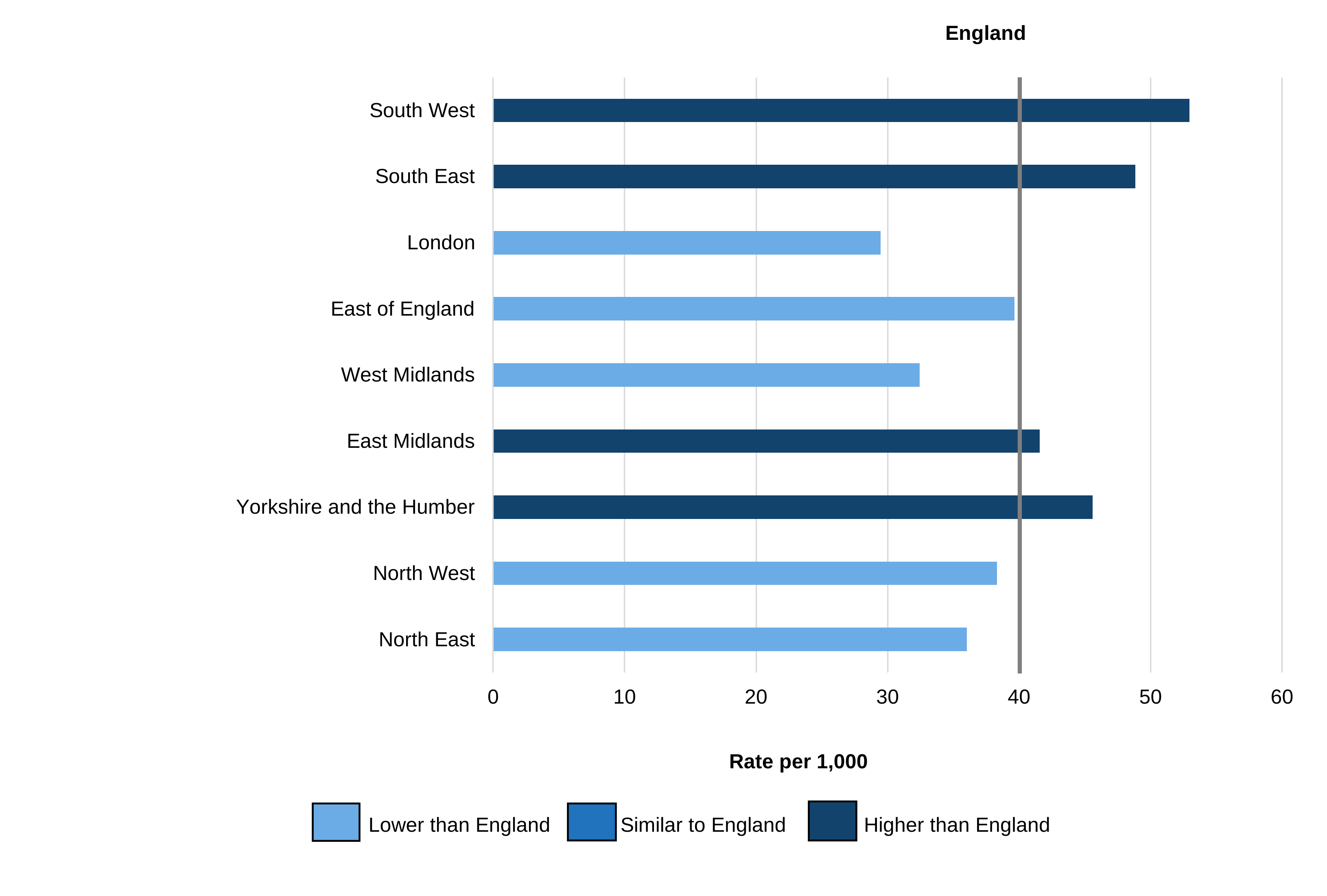
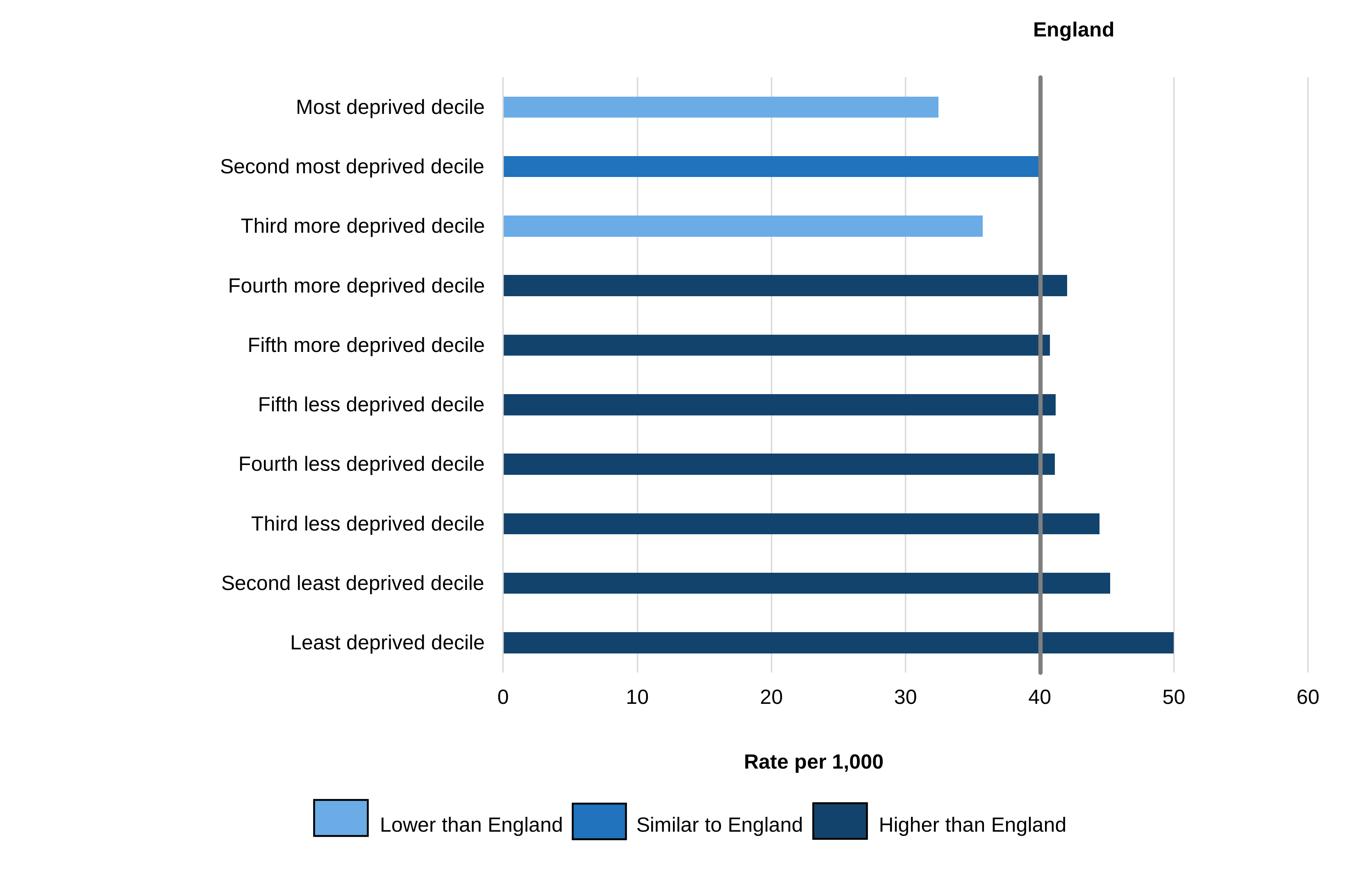
ThereÌýwas variation in LARC prescribing across England with rates of prescribing in the least deprived areas more thanÌý30% higher than the most deprived.ÌýAmong regions, the highest ratesÌýwereÌýin theÌýSouth WestÌý²¹²Ô»åÌýSouth East.ÌýÌý
The prescribing of short acting contraceptives in primary care, which isÌýthe majority of prescriptions, also followsÌýa similar patternÌýwithÌýdeprivation.ÌýThe rate of young men and women aged under 25 using sexual health servicesÌýdecreased slightlyÌýin 2024 and remains belowÌýlevelsÌýseen before the pandemic. This attendance rate provides a measure of access to specialist contraceptive services and is a proxy forÌýthe reach of services targeted at young people for prevention of sexually transmitted infections and teenage pregnancy.
LARC use, excluding injectablesÌý
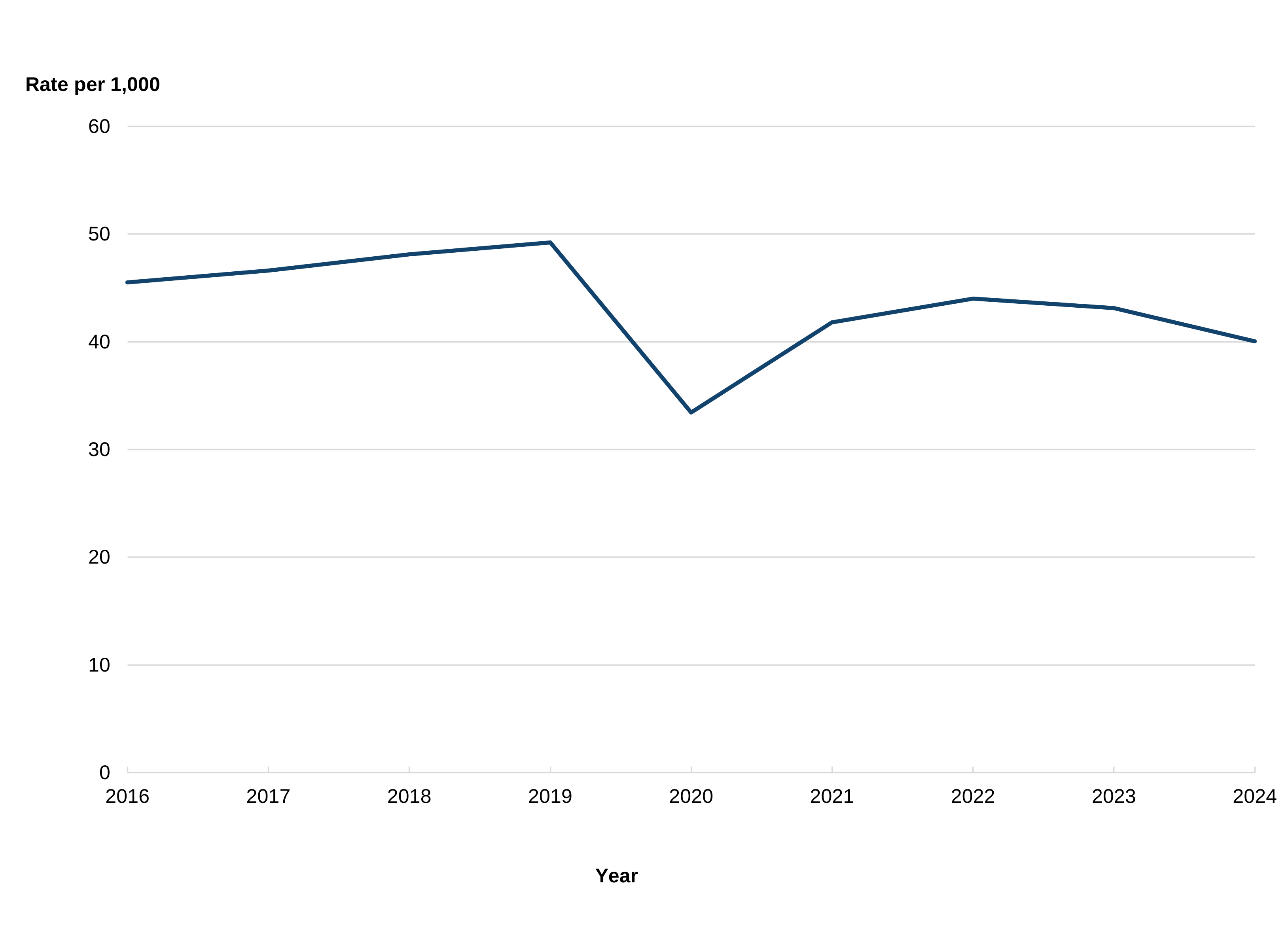
The overall use of LARC, excluding injectables, has slightly decreased to a rate of 40.0Ìýper 1,000ÌýpopulationÌýin 2024Ìý(43.1 in 2023)Ìý(see figure 1). This remains significantly lower thanÌýbeforeÌýtheÌýpandemicÌý(49.2 per 1,000 in 2019). There was a decrease in the prescribing rate by primary care, fromÌý25.3Ìýin 2023ÌýtoÌý23.7Ìýper 1,000 in 2024.ÌýThe prescribing rateÌýbyÌýsexual health services hasÌýalso decreased fromÌý17.8Ìýin 2023Ìýto 16.3Ìýper 1,000 in 2024.Ìý
Rates of LARC prescribing, excluding injectables,Ìýwere lowest inÌýLondonÌý(see figure 2). For 2024, the rate of LARC prescribing, excluding injectables,Ìýwas lower in the most deprived local authorities (32.5Ìýper 1,000) than the least deprived (50.0Ìýper 1,000) (see figure 3). Ìý
Figure 1: rate of prescribing for LARC, excluding injectables, in England, 2016 to 2024
³§´Ç³Ü°ù³¦±ð: OHID analysis of sexual health services data from SRHAD and primary care data from NHS BSA
Figure 2: rate of prescribing for LARC, excluding injectables, in England by region, 2024
³§´Ç³Ü°ù³¦±ð: OHID analysis of sexual health services data from SRHAD and primary care data from NHS BSA
Figure 3: rate of prescribing for LARC, excluding injectables, in England by deprivation, 2024
³§´Ç³Ü°ù³¦±ð: OHID analysis of sexual health services data from SRHAD and primary care data from NHS BSA
Short-acting reversible contraceptive and injectable contraceptive useÌý
The prescribing rates for short-acting combined reversible contraceptives from primary care and sexual health services are analysed separately. The dataÌýisÌýnot combined asÌýitÌýmayÌýcontainÌýduplicateÌýrecordsÌýnor does itÌýaccount for contraceptives obtained from pharmacies orÌýover-the-counter. However, the majority are prescribed in primary care.
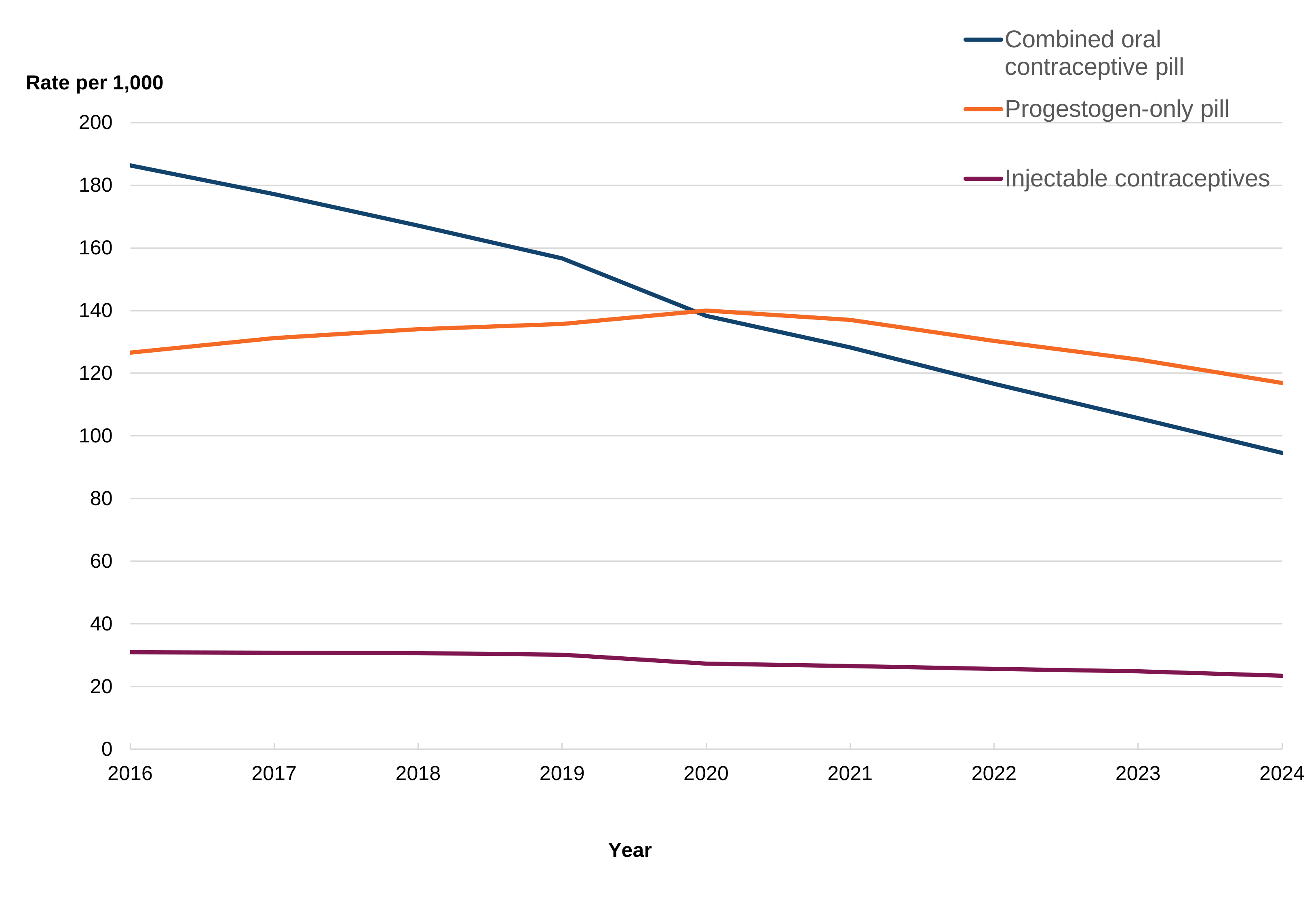
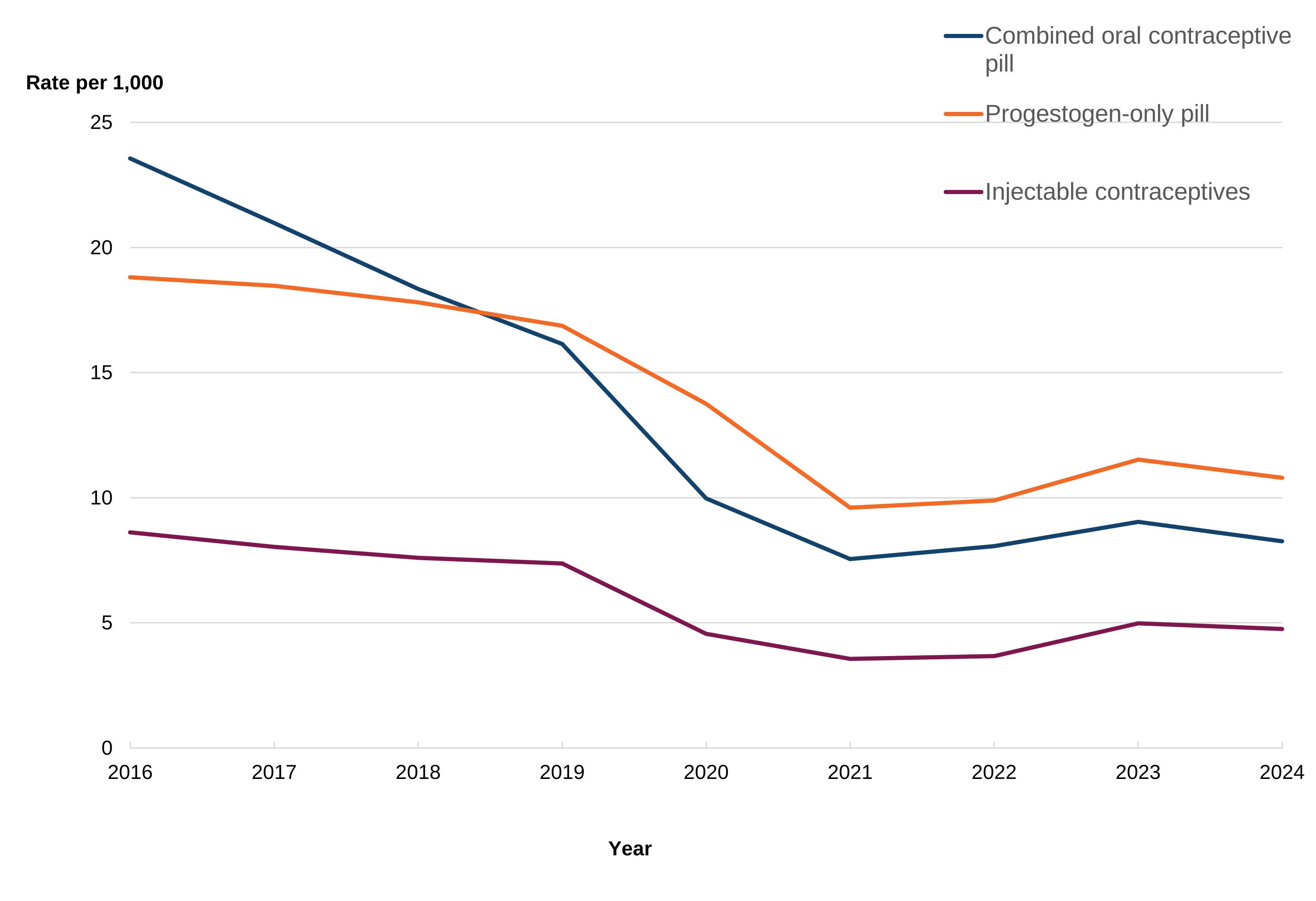
Rates of prescribing for short-acting combined oral contraceptives by primary care have continued to decrease fromÌý105.7Ìýin 2023ÌýtoÌý94.5Ìýper 1,000 in 2024. A slight decrease was also observed from 9.0 to 8.3 per 1,000 when prescribed by sexual health services in the same period. However, ratesÌýremainedÌýsubstantially lowerÌýthan they wereÌýin 2019Ìýbefore the pandemic:Ìýalmost 40%ÌýlowerÌýwhen prescribed by primary care (see figure 4) andÌýalmostÌý50%Ìýlower when prescribed byÌýsexual health services (see figure 5).
The rates of prescribing forÌýprogestogen-only pills and injectable contraceptives from sexual health services followedÌýa similar pattern to that of combined oral contraceptives from sexual health services:Ìýa decrease during the pandemic, an increase in following years butÌýaÌýslightÌýdecrease inÌý2024Ìý(see figure 5).ÌýRates of prescribing by primary care continued to decline steadily (see figure 4).
Figure 4: rate of prescribing for short-acting reversible and injectable contraceptives by primary care services in England, 2016 to 2024
³§´Ç³Ü°ù³¦±ð: OHID analysis of primary care data from NHS BSA
Figure 5: rate of prescribing for short-acting reversible and injectable contraceptives from sexual and reproductive health services in England, 2016 to 2024
³§´Ç³Ü°ù³¦±ð: OHID analysis of sexual health services data from SRHADÌý
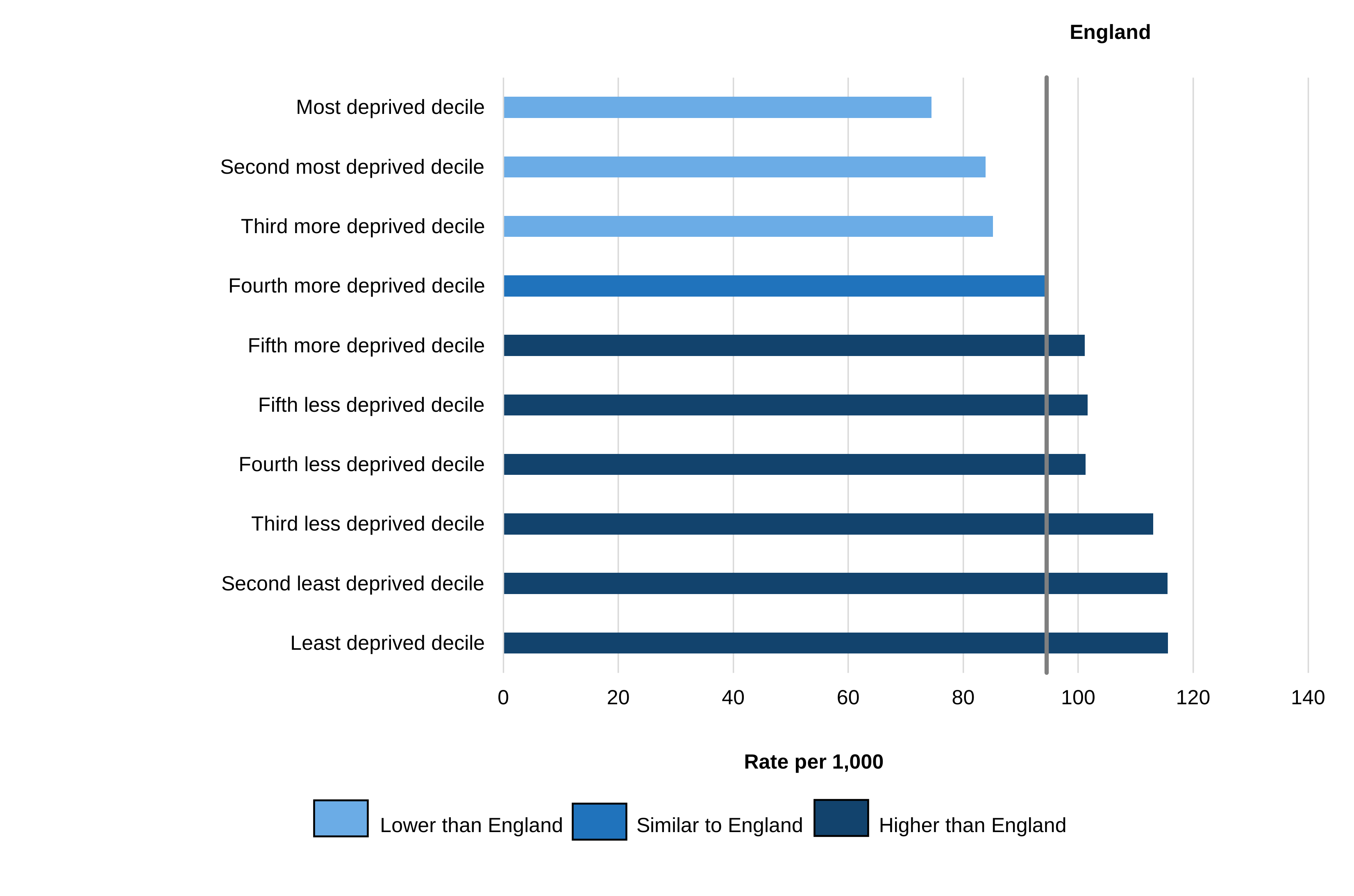
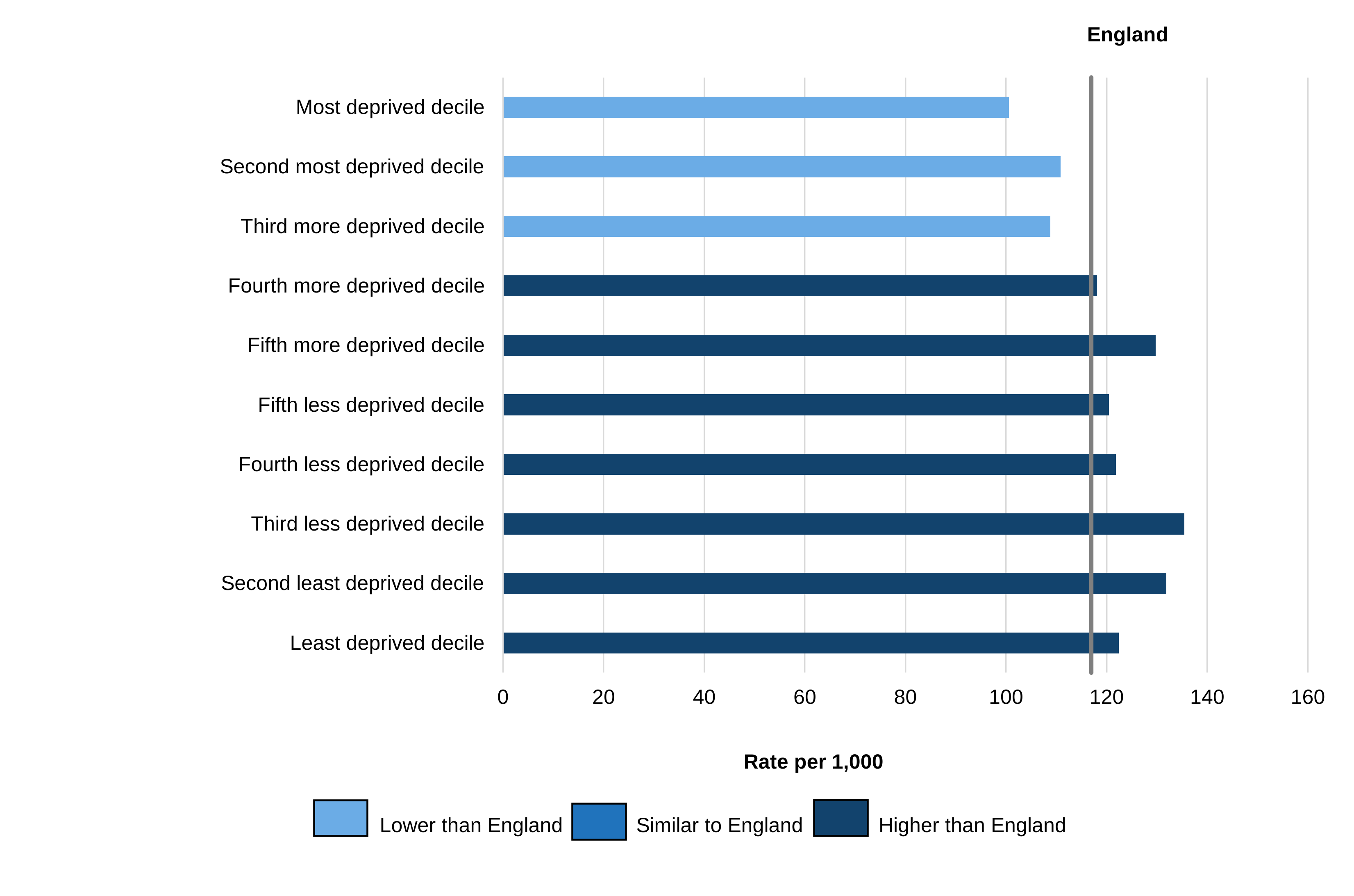
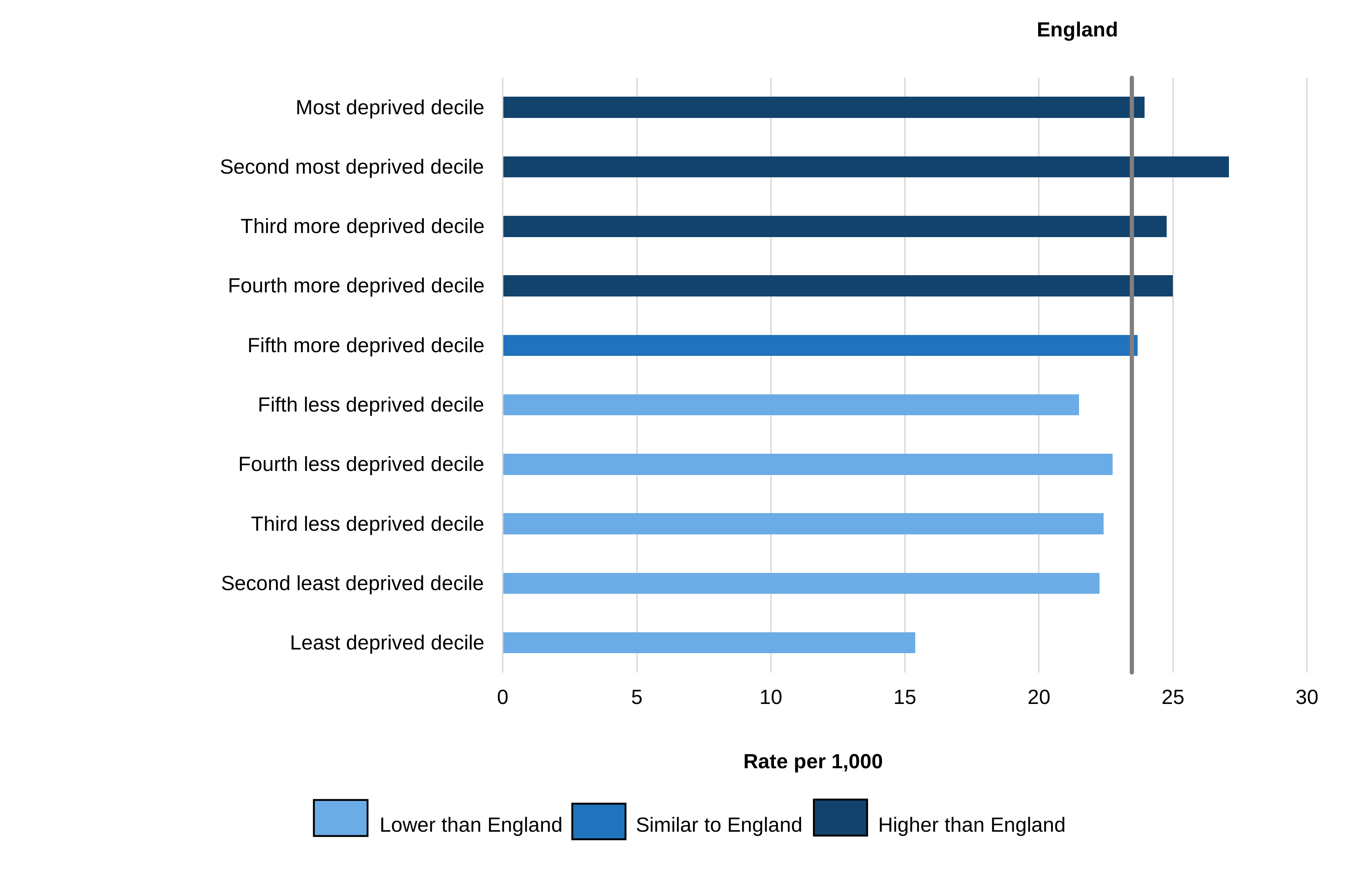
The rate of prescribing by primary care for short-acting combined oral contraceptivesÌýwas significantly lower in the most deprived local authorities (74.5Ìýper 1,000) than the least deprived local authorities (115.6Ìýper 1,000) (see figure 6). A similar patternÌýwas seen forÌýprogestogen-only pills (see figure 7)Ìýbut theÌýopposite patternÌýwasÌýobservedÌýfor injectable contraceptives (see figure 8).Ìý
Figure 6: rate of prescribing for combined oral contraceptives by primary care in England by deprivation, 2024
³§´Ç³Ü°ù³¦±ð: OHID analysis of primary care data from NHS BSAÌý
Figure 7: rate of prescribing ofÌýprogestogen-only pills by primary care in England by deprivation, 2024
³§´Ç³Ü°ù³¦±ð: OHID analysis of primary care data from NHS BSAÌý
Figure 8: rate of prescribing for injectable contraceptives by primary care in England by deprivation, 2024
³§´Ç³Ü°ù³¦±ð: OHID analysis of primary care data from NHS BSAÌý
Attendance at sexual health servicesÌý
The attendance rate for women under 25 at sexual health services wasÌý95.6Ìýper 1,000 population in 2024. ItÌýhas decreased slightlyÌýfrom 102.4 in 2023Ìý²¹²Ô»åÌýremainsÌýbelow the pre-pandemic level of 133.4 per 1,000 in 2019. The attendance rate for men under 25 at sexual health services has alsoÌýdecreased toÌý12.4Ìýper 1,000 populationÌýin 2024 from 14.2 in 2023.ÌýThisÌýremainsÌýbelow the level of 20.0 per 1,000Ìýbefore the pandemicÌýin 2019.Ìý
In 2024, for both men and women, thereÌýwas regional variation in attendance rates, with the highest rates in theÌýNorth WestÌý(118.3Ìýper 1,000 women)Ìý²¹²Ô»åÌýtheÌýEast Midlands (19.0Ìýper 1,000 men) and lowest in theÌýWest MidlandsÌý(51.1Ìýper 1,000 women)Ìý²¹²Ô»åÌýNorth EastÌý(6.6Ìýper 1,000 men).Ìý
For further information or queries about this update, please contact pha-ohid@dhsc.gov.uk.