How to respond to and prepare woodlands for extreme weather
How to respond to extreme weather events affecting your woodland and the steps you can take to improve its resilience against future risks.
Applies to England
Climate changeÌýcontinues toÌýaffectÌýthe UK’sÌýweather. Winters are becoming milder and wetter while summers are becoming hotter and drier.ÌýAs a result, extreme weather eventsÌýsuch asÌýstorms, windthrow, flooding, prolonged droughtÌýandÌýwildfiresÌýare becoming more frequent.
Extreme weatherÌýevents can have a devastating impact on woodlands and forests.ÌýIt isÌýimportant to know how toÌýrespond to and prepare forÌýan extreme weather event.
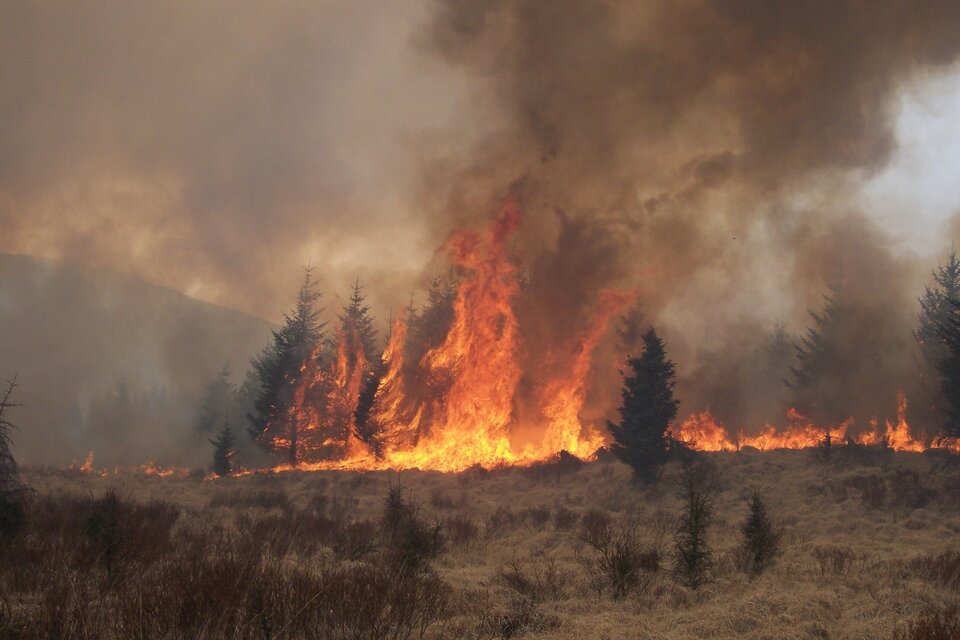
A wildfire burning through a woodland. Credit: Forest Research
How to respond toÌýanÌýextreme weather eventÌýin your woodland
While every event will be differentÌýand require its ownÌýresponse,Ìýfollowing thisÌý6-step process willÌýhelp you to stay safeÌýwhileÌýallowingÌýyouÌýtoÌýassess the damageÌýto your woodlandÌýbeforeÌýtaking any necessary action.
Step 1: ensureÌýyourÌýsafety
When responding to an extreme weather event, safety is paramount. To ensure your safety:
- do not enter the woodland until the weather event has passed or emergency services confirm access is safeÌý
- assess access routes for hazards such as standing dead, windblown, snapped or fallen trees, damaged powerlines, flooded roads and landslips
- consider whether you need specialist support before entering
Step 2: assess the damage
After assessing the woodland and it is confirmed as safe, you can:
- survey the extent of damage toÌýyourÌýtrees, paths, fences, infrastructure and utilitiesÌý
- photograph and document affected areasÌýto evidence damageÌý
- identifyÌýany immediateÌýhazards and theirÌýrisks to neighbouring land,ÌýroadsÌýor utilities
Step 3: report and notify
You should contact:
- your local authority if fallen trees are blocking public rights of wayÌý
- relevant utilities if power lines, substationsÌýor infrastructure are affectedÌý
- your insurance provider
Step 4: prioritise clearance work
To take action to clear the damage caused by an extreme weather event:
- clear access routes and public paths firstÌý
- ensure you use skilled, trained chainsaw operators to remove windblown trees as they are more hazardous to work on compared to normal tree fellingÌý
- you typically do not need a felling licence if you are removing dangerous treesÌýas a result ofÌýextreme weather events. CheckÌýwhen you need to apply for a felling licenceÌý
- remove dangerous hanging branchesÌýandÌýseek professional help if neededÌý
- stack or process fallen timber safely
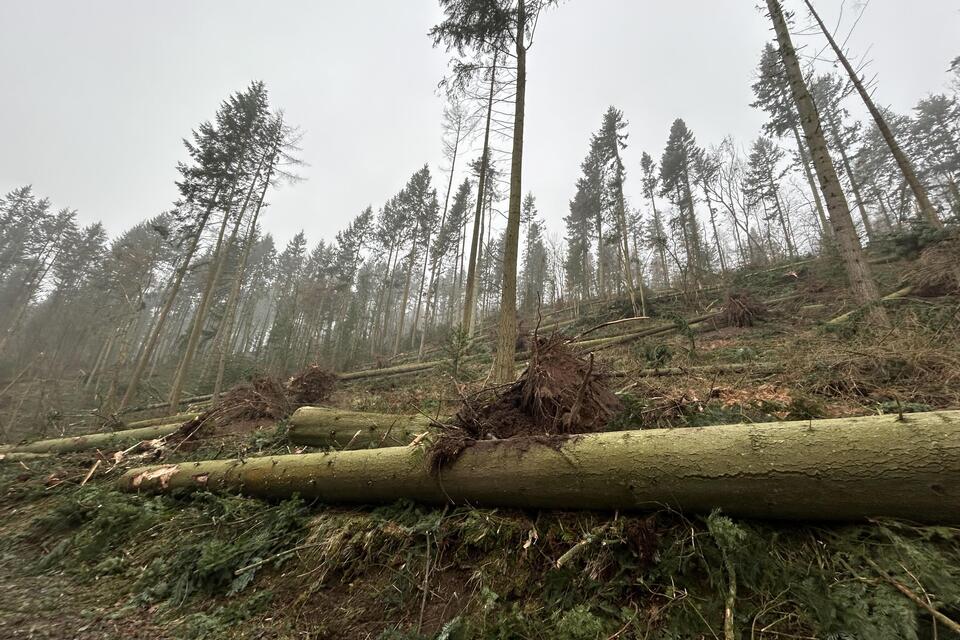
Uprooted and broken trees caused by high winds. Credit: Bob Thurston
Step 5: review your woodland management plan
If you do not have a woodland management plan then it’s advisable to create one. After an extreme weather event, you should:
- update your plan to reflect changes toÌýyourÌýwoodland’sÌýstructure
- consider whether replanting or natural regeneration is moreÌýlikely to deliver the fastestÌýandÌýmost effective restoration ofÌýyourÌýwoodlandÌý
- check if you need to amend any existing felling licences or grant agreements
Step 6: seek support and funding
We recommend that you:
- check for grantsÌýto support replanting or restoration workÌý
- speak toÌýyourÌýlocalÌýWoodlandÌýOfficerÌýfor furtherÌýsupport and expertÌýadvice
How to prepareÌýyour woodlandÌýfor extreme weather events
AÌýhealthy and resilient woodland canÌýhelpÌýyour treesÌýtoÌýrecoverÌýmore quicklyÌýafterÌýan extreme weatherÌýevent orÌýadapt to new conditions, reducing overall impact.
Taking proactive steps canÌýimprove your woodland’s resilience andÌýprotectÌýit fromÌýfutureÌýextreme weather events.ÌýConsider implementingÌýtheseÌý7 measures:
1.ÌýCreateÌýa woodland management plan
HavingÌýaÌýwoodland management planÌýin placeÌýwillÌýhelp you to assess theÌýÌýandÌýidentifyÌýtheÌýpracticalÌýstepsÌýneededÌýto manageÌýthem.ÌýIncluding a contingency plan, such as measures toÌý, is considered good practice under theÌýUK Forestry Standard (UKFS).Ìý
Speak toÌýyourÌýlocal Woodland OfficerÌýfor advice on how to meet theÌýUKFSÌýandÌýmake your woodland management plan as effective as possible.ÌýIf you have a woodland management plan,Ìýwe recommend thatÌýyou include climate resilienceÌýadaptationÌýasÌýan objective.ÌýPlan for long-termÌýdiversityÌýandÌýrevisit your plan regularly,Ìýas conditions and guidance change.
2.ÌýDiversify tree species
When tree planting:
- plant a mix of nativeÌýand non-native speciesÌýthat are well-suited to your site and soil conditionsÌýthatÌýbest deliver theÌýobjectivesÌýyou have for the woodlandÌý
- check that your chosen species can thrive in the conditions expected over the lifetime of the tree, including future changes in temperature and rainfallÌý
- avoid planting large areas of a single species throughout your woodland
3.ÌýManage tree density andÌýstructure
To manage your woodland:
- thin your woodland regularly to give retained trees space to develop healthy crownsÌý
- protect the soil from compaction to help trees develop strong, stable root systemsÌý
- include trees of different ages and sizes to create a more varied and resilient structure
4.ÌýStrengthen woodland edgesÌýagainst wind
You can build a protective buffer around woodland edges to reduce wind exposure. To do this:
- create gradual transitions from open ground to dense woodland
- plant shrubs and smaller trees along exposed boundariesÌý
- keep stable, well-established trees at the edges to shelter the woodland interior
5.ÌýImprove drainage and water management
To improve your woodland’s resilience to flooding events:
- keep ditches, culverts and natural watercourses clear to prevent trees from becoming waterloggedÌý
- consider creating wetland areas that can absorb and safely hold excess water
- avoid using heavy machinery on wet ground, as this can compact the soil andÌýaffectÌýdrainage
6.ÌýMonitor tree health
Inspect trees regularly and report notifiable pests and diseases. You should also:
- inspect treesÌýnear public access routesÌýregularly for signs ofÌýdecline orÌýstructural weaknessÌýthat mightÌýimpactÌýsafetyÌý
- inspect trees afterÌýsignificantÌýincidents, such as storms or wildfires
- remove or manage hazardous treesÌýthat are a risk to people, property, otherÌýtreesÌýand the wider woodland, butÌýretainÌýdeadwood habitat whereÌýit isÌýsafe to do soÌý
7.ÌýPlan access and infrastructure
To reduce the impacts of extreme weather events on access and infrastructure:
- design access routes to cope with heavy rain,ÌýfloodingÌýandÌýwildfiresÌý
- position buildings and equipment away fromÌýrisk areasÌý
- keep emergency access routes clearÌýand in good condition
Financial support available
There are a variety ofÌýgrants and financial incentivesÌýfor woodland creation, maintenance, management, treeÌýgrowingÌýand tree health.ÌýThe main grants include:
- England Woodland Creation OfferÌý–ÌýfundingÌýforÌýwoodland creation and management activitiesÌý
- Woodland Creation Planning GrantÌý–ÌýfundingÌýtoÌýhelpÌýyouÌýprepareÌýa woodland creation design planÌý
- Countryside StewardshipÌý–ÌýfundingÌýforÌýwoodland management and tree health, including help for restoration of damaged woodland
- Tree health pilot schemeÌý–ÌýfundingÌýto support woodland ownersÌýmanageÌýpest and disease impacts.ÌýThis can also cover weather damage where it has made trees vulnerable to health issues
Tree planting case studiesÌýtoÌýmanageÌýfloodingÌýand drought
The following case studies show how landowners across England have used tree planting to reduce flooding, improveÌýdrainageÌýand increase resilience to drought.
- Ìý–Ìýtrees were planted to reduce the impact of severe flooding eventsÌý
- Blenheim EstateÌý– treesÌýwere planted as part of a natural flood managementÌýapproachÌý
- High MeadowsÌý– treesÌýwere planted beside an existing pond and stream to reduce flood risk,ÌýtoÌýmanage waterlogged fields andÌýtoÌýprovide shade during hot and wet weatherÌý
- Elslack EstateÌý– a woodland was plantedÌýon hilly terrain to slow water flow and reduce flooding during periods of heavy rainfallÌý
- Cherryrock FarmÌý– treesÌýwere planted in response to increased rainfall associated with climate changeÌý
- Orchard FarmÌý– treesÌýlost to drought and flooding were replaced with species better suited to wet conditions and a changing climate
The Forestry Commission has moreÌýcase studies of successful tree planting and woodland creation projectsÌýfrom across England.
Planting a diverse range of tree species is one of the most effective ways to protect your woodland against a changing climate, extreme weather events,ÌýpestsÌýand disease. If one speciesÌýstruggles, others can fill the gap,Ìýhelping to ensure the long-termÌýresilienceÌýof your woodland.
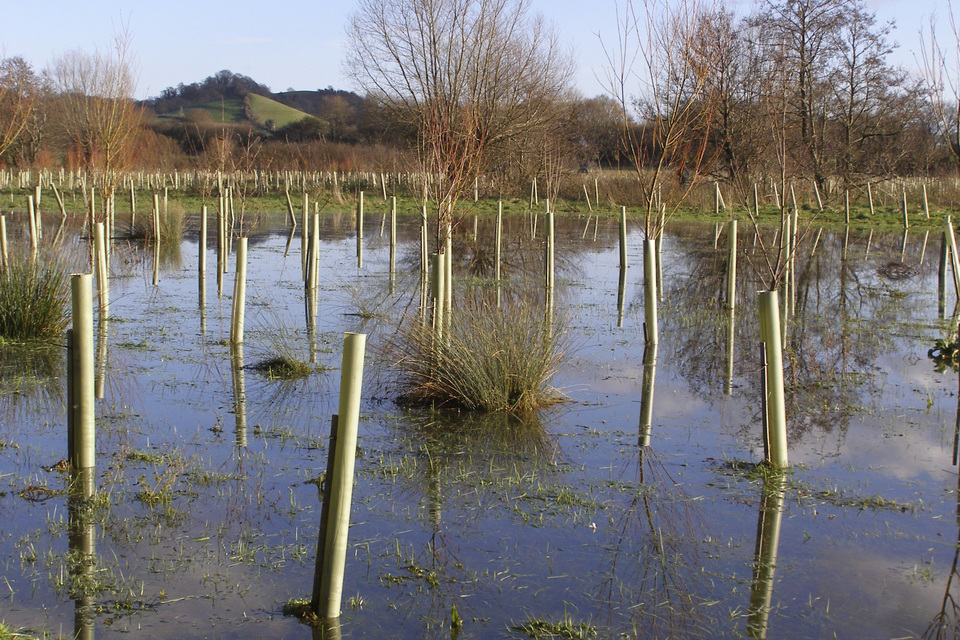
A flooded tree planting site. Credit: Forest Research
Further resources
TheÌýÌýis the UK’s leading source of guidance on forestry climate change adaptation.ÌýThe Climate Change Hub brings together the latest information and UKFS guidance for practitioners.
Resources includeÌýpractical advice,Ìýtools,Ìýcase studies to support decision-making, the 5-step adaptation frameworkÌýand guidance on possible adaptation measures to help increase your woodland’s resilience to climate change and extreme weather events.
Stay informed
FollowÌýus onÌý,ÌýÌýandÌýsign up to our eAlertÌýto stay informedÌýonÌýthe latest extreme weather incidents,ÌýgrantsÌýandÌýguidance.